TELEMECANIQUE LUCB12B Schneider Electric
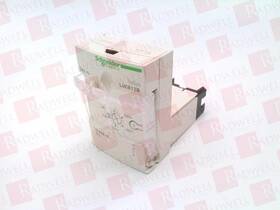
( Brand: Telemecanique ), ( Manufacturer Part Number: LUCB12B )
Review TELEMECANIQUE Schneider Electric Used
The **Schneider Electric Telemecanique LCB12B** is a robust and versatile **12-ampere miniature circuit breaker (MCB)** designed to provide reliable protection for electrical circuits in residential, commercial, and light industrial applications. Part of Schneider Electric s renowned **Acti9 series**, this MCB combines advanced thermal-magnetic trip technology with a compact, modular design to ensure precise fault detection and optimal circuit integrity. Engineered with a **12-ampere nominal rating**, the LCB12B is ideal for protecting wiring and equipment against overloads and short circuits, offering a high level of safety while maintaining operational efficiency. Its **thermal-magnetic trip mechanism** responds swiftly to sustained overloads, preventing overheating and potential fire hazards, while its magnetic trip element instantly interrupts short-circuit currents to safeguard downstream components. The breaker features a **clear, easy-to-read trip indicator**, allowing for quick visual confirmation of fault conditions, and its **modular construction** ensures seamless integration into standard Schneider Electric or compatible distribution boards, making installation and maintenance straightforward. Built to meet stringent international safety standards, including **IEC 60947-2**, the LCB12B delivers consistent performance in a variety of environmental conditions, from moderate indoor settings to controlled industrial spaces. Its **durable construction**, featuring high-quality materials and a robust enclosure, ensures long-term reliability and resistance to mechanical stress, vibration, and corrosion. Whether used in new installations or retrofitting existing systems, the **Telemecanique LCB12B** exemplifies Schneider Electric s commitment to innovation, safety, and performance, making it a trusted choice for electrical professionals seeking dependable circuit protection.
**Pros and Cons of buying a Telemechanique LCB12B (Schneider Electric)**
The Telemechanique LCB12B is a compact, modular motor starter designed for controlling three-phase AC motors in industrial applications. Below is a detailed analysis of its advantages and disadvantages.
---
### **Pros**
1. **Compact and Space-Efficient Design**
The LCB12B is modular and designed to fit into standard 35mm DIN rail enclosures, making it ideal for applications where space is limited. This allows for easy integration into existing control panels without requiring excessive wiring or bulk.
2. **High Reliability and Durability**
Schneider Electric is a well-established brand known for robust industrial components. The LCB12B is built to withstand harsh environmental conditions, including temperature fluctuations, humidity, and electrical noise. Its solid-state construction reduces mechanical wear compared to traditional electromechanical starters.
3. **Easy Installation and Wiring**
The modular design simplifies installation, as components can be pre-wired and tested before final assembly. The clear labeling and standardized connections (e.g., terminal blocks) reduce installation errors. Additionally, the starter supports both direct-on-line (DOL) and soft-start configurations, offering flexibility depending on motor requirements.
4. **Low Maintenance Requirements**
Since the LCB12B uses solid-state components (e.g., silicon-controlled rectifiers or thyristors for soft-start models), it eliminates moving parts that could fail over time. This reduces maintenance downtime and extends the lifespan of the equipment.
5. **Energy Efficiency**
The LCB12B, particularly in its soft-start variants, helps reduce inrush current when starting motors, which lowers energy consumption during startup. This can contribute to cost savings and reduced stress on electrical infrastructure.
6. **Compatibility with Schneider s Ecosystem**
The LCB12B integrates seamlessly with other Schneider Electric products, such as PLCs (e.g., Altivar, M580), HMIs, and SCADA systems. This compatibility simplifies automation and monitoring in larger control schemes.
7. **Safety Features**
The starter includes built-in protections such as overload, short-circuit, and phase failure detection. Some models also support remote monitoring and diagnostics, allowing for proactive maintenance. The enclosure options (IP20, IP40, IP54) provide varying degrees of protection against dust and moisture.
8. **Wide Range of Current Ratings**
The LCB12B series covers a broad range of motor currents (from 0.55 kW to 11 kW for standard models, with higher ratings available in extended ranges), making it suitable for a variety of applications, including pumps, fans, conveyors, and compressors.
9. **Soft-Start Capability (Optional)**
The LCB12B can be equipped with a soft-start function, which gradually ramps up motor current to reduce mechanical stress on belts, gears, and other connected components. This is particularly beneficial for applications with frequent starts or heavy loads.
10. **CE and International Certifications**
The product complies with international standards (e.g., IEC, UL, CSA), ensuring it meets regulatory requirements for safety and performance in global markets. This reduces the risk of non-compliance issues during installation or operation.
---
### **Cons**
1. **Higher Upfront Cost**
Compared to basic electromechanical starters or simpler solid-state alternatives, the LCB12B is more expensive. The cost may be justified by its reliability and features, but budget-conscious buyers may opt for cheaper alternatives if their application does not require advanced functionality.
2. **Limited Current Ratings for High-Power Applications**
While the LCB12B covers a wide range of motors, it may not be suitable for very high-power applications (e.g., motors above 100 kW). For such cases, larger or specialized starters (e.g., Schneider s Altivar or other high-power starters) would be required.
3. **Dependence on Schneider s Support**
If maintenance or technical support is required, users may need to rely on Schneider Electric s service network or authorized distributors. This could lead to longer wait times or higher support costs compared to more widely available brands.
4. **Complexity for Basic Applications**
For simple, low-risk applications where a basic overload relay or contactor would suffice, the LCB12B s advanced features (e.g., soft-start, diagnostics) may be unnecessary, adding unnecessary complexity and cost.
5. **Potential for Overkill in Small-Scale Use**
In very small-scale or non-industrial applications (e.g., residential or light commercial), the LCB12B might be over-engineered. Smaller, less expensive starters or even manual starters could meet the requirements without the added features.
6. **Limited Customization for Non-Standard Configurations**
While the LCB12B is highly modular, highly customized or non-standard configurations (e.g., unique mounting requirements, specialized protection schemes) may require additional engineering or third-party modifications, increasing costs and lead times.
7. **Learning Curve for New Users**
The advanced features (e.g., soft-start programming, diagnostic interfaces) may require training for operators or technicians unfamiliar with Schneider s products. This could lead to initial operational delays or errors if not properly addressed.
8. **Potential for Compatibility Issues with Non-Schneider Systems**
While the LCB12B integrates well with Schneider s ecosystem, interfacing it with non-Schneider PLCs, HMIs, or legacy systems may require additional gateways, converters, or custom programming, adding complexity.
9. **Environmental Sensitivity**
Although the LCB12B is designed for industrial use, extreme environmental conditions (e.g., high vibration, corrosive atmospheres, or extreme temperatures outside specified ranges) could reduce its lifespan or performance. Users must ensure proper enclosure selection and installation.
10. **Depreciation Over Time**
Like all industrial equipment, the LCB12B may depreciate in value over time, especially if newer, more efficient models are introduced by Schneider or competitors. This could impact resale value or long-term cost-effectiveness.
---
### **Conclusion**
The Telemechanique LCB12B is a high-quality, modular motor starter that excels in applications requiring reliability, energy efficiency, and advanced control features such as soft-start. Its compact design, low maintenance requirements, and compatibility with Schneider s ecosystem make it a strong choice for industrial environments where space and performance are critical. However, its higher cost, limited suitability for very high-power or basic applications, and potential complexity for non-specialized users may not justify its purchase in all scenarios.
For applications involving frequent motor starts, energy-sensitive operations, or integration with automation systems, the LCB12B is an excellent investment. In contrast, for simple, low-power, or cost-sensitive applications, a more basic starter or contactor may be sufficient.
---
### **Recommendation**
**Buy the Telemechanique LCB12B if:**- You require a reliable, modular motor starter for three-phase AC motors in industrial settings.
- Your application benefits from soft-start functionality, reduced inrush current, or advanced diagnostics.
- You are already using or plan to integrate Schneider Electric s automation products (e.g., PLCs, HMIs).
- Space constraints or frequent maintenance requirements necessitate a low-maintenance, compact solution.
- Compliance with international standards (IEC, CE) is a priority for your application.
**Avoid the Telemechanique LCB12B if:**- Your budget is extremely limited, and a basic contactor or overload relay would suffice.
- You are working with very high-power motors (above the LCB12B s rated capacity) or require highly customized configurations.
- Your application does not require advanced features like soft-start or remote monitoring.
- You lack the technical expertise to install, program, or maintain the starter without additional training.
**Alternative Considerations:**- For **basic applications**, consider a standard electromechanical starter (e.g., TE Connectivity or Eaton) or a simple contactor.
- For **high-power applications**, evaluate Schneider s Altivar or other high-power starters.
- For **cost-sensitive projects**, explore generic solid-state starters or contactors from brands like Siemens, ABB, or local manufacturers, ensuring they meet your performance and safety requirements.
Details:
Call to use a shipping service other than the ones listed. Sells new and surplus product develops channels to purchase such. Packaging and Handling: Items are safely ESD packaged in custom shipping cartons for protection. Part Number LUCB12B.
SCHNEIDER ELECTRIC LUCB12B / USED ADV.CNTRL.UNIT-CL10-3PH 3-12A 24VAC ROHS COMPLIANT: YES. All products are guaranteed to be working but may show signs of use if purchasing a used product.
part #: lucb12b prices
- $75.43-$116.69
specifications automationjack:
- brand: Telemecanique
- mpn: Lucb12b
returns automationjack:
- policy: Returns Accepted
- method: Money back
- paid by: Buyer
- time: 30 Days
general automationjack:
- condition: Used
- Business Industrial > Industrial Automation Motion Controls > Other Automation Equipment
seller automationjack:
- city: 1 Millennium Dr, Willingboro, NJ 08046
- rating: 99.6%
- # reviews: 1987 05
offer automationjack:
- sold: 0
- availability: In Stock
- quantity: 1
- options: Ship-to-home
- started: April 10, 2026
payments automationjack:
- credit card: Discover
- wallet: Google-pay
- other
shipping automationjack:
- cost: $12.90
- service: Standard
- transit: 29-34 Days
- type: Fixed
- class: Standard
Telemecanique LUCB12B Is Similar To:
- Telemecanique Gv2-ae20 Schneider Electric Gv2ae20 Used Tested Cleaned (69.5% similar) Call to use a shipping service other than the ones listed. Schneider electric GV2-AE20 / GV2AE20 used tested cleaned discontinued by manufacturer, auxiliary contact, 2.5AMP, 24. Sells new and surplus product develops channels to purchase such. Packaging and handling: items are safely eds packaged in...(August 14th, 2024)
- Telemecanique Lc1-d3210-u5 Schneider Electric Lc1d3210u5 Used Tested Cleaned (70.4% similar) The product is used surplus. All products are guaranteed to be working but may show signs of use. Packaging and handling, items are safely eds packaged in custom shipping cartons for protection. Call to use a shipping service other than the ones listed. Sells new and surplus product develops ...(August 16th, 2024)
- Telemecanique Cad50bd Contactor Relay Used Free Shipping (47.6% similar) It was carefully removed from a working piece of equipment and is 100% functional. Cosmetically I would rate it a 9 out of 10. The shipping on this item reflects standard ground for the us. Greenback stock# G86677-8. I have a nice used Telemecanique CAD50BD contractor relay 10A - for sale...(September 4th, 2024)
- Telemecanique Lc1-d093-c-a65 Schneider Electric Lc1d093ca65 Used Tested Cleaned (67.2% similar) Good used condition F27...(September 19th, 2024)
- Telemecanique Atv31h055m2 Used Altivar 31 Inverter (41.2% similar) Many things can play a factor such allocation, weather and the items in order. Used excellent condition - item is used with no or very little signs of use wear. All aspects are in perfect condition. Used good condition - item is used with signs of use or wear, such as stains, scratches, chips or ...(September 21st, 2024)
- Schneider Electric Telemecanique Gk1-em Gk1em Fuse Holder Isolator 40-50 Amp 90v 8.5w (34.3% similar) Manufacturers warranty and support do not apply. GK1-EM GK1EM schneider Telemecanique fuse holder isolate - 40-50 amp, 90V, 8.5W: $70.00. Fuse holder isolate 40-50 90V 8.5W 50...(October 6th, 2024)
- Telemecanique Lrd3355 Schneider Electric Used (87.2% similar) Packaging and handling: items are safely eds packaged in custom shipping cartons for protection. All products are guaranteed to be working but may show signs of use. Call to use a shipping service other than the ones listed. Sells new and surplus product develops channels to purchase such...(October 15th, 2024)
- Telemecanique 03859820311a01 Schneider Electric Used (81.2% similar) Sells new and surplus product develops channels to purchase such. Call to use a shipping service other than the ones listed. Packaging and handling: items are safely eds packaged in custom shipping cartons for protection. All products are guaranteed to be working but may show signs of use if ...(October 17th, 2024)
- Telemecanique Lc1d09fe7 Schneider Electric Used (89.6% similar) Part number LC1D09FE7. All products are guaranteed to be working but may show signs of use. The product is used surplus. Call to use a shipping service other than the ones listed. Sells new and surplus product develops channels to purchase such. Packaging and handling: items are safely eds packaged ...(October 17th, 2024)
- Telemecanique Lc1d6511-lx1d6g6 Schneider Electric Lc1d6511lx1d6g6 Used (72.3% similar) All products are guaranteed to be working but may show signs of use if purchasing a used product. Call to use a shipping service other than the ones listed. Packaging and handling: items are safely eds packaged in custom shipping cartons for protection. Sells new and surplus product develops ...(October 19th, 2024)
- Telemecanique Lc1d11500g6 Schneider Electric Used (87.8% similar) Packaging and handling: items are safely eds packaged in custom shipping cartons for protection. All products are guaranteed to be working but may show signs of use. Part number LC1D11500G6. Call to use a shipping service other than the ones listed. Sells new and surplus product develops channels to...(October 19th, 2024)