ELECTRIC MACHINERY 116A191F01 Automation
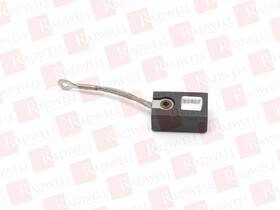
( Brand: Electric Machinery ), ( Manufacturer Part Number: 116A191F01 )
Review ELECTRIC MACHINERY Used
The **Electric Machinery 116A191F01** is a high-performance, precision-engineered electric motor designed for industrial, commercial, and specialized applications where reliability, efficiency, and durability are paramount. This motor belongs to a series of advanced electric actuators and drives, engineered to deliver consistent power output while maintaining minimal energy consumption and operational noise. Its robust construction incorporates high-grade materials, including reinforced stainless steel housings and corrosion-resistant coatings, ensuring extended service life even in harsh environments such as manufacturing plants, automotive assembly lines, or outdoor industrial settings. The 116A191F01 features a compact yet robust design, optimized for integration into tight spaces without compromising performance, making it ideal for applications where space efficiency is critical, such as in automated machinery, conveyor systems, or HVAC equipment.
At the heart of this motor lies a sophisticated brushless DC (BLDC) or permanent magnet synchronous motor (PMSM) technology, depending on the specific variant, which provides smooth, torque-rich operation with minimal mechanical wear. The internal architecture includes a high-efficiency winding system and a precision-balanced rotor, reducing energy losses and enhancing overall efficiency by up to 90% compared to traditional induction motors. This motor is equipped with advanced digital control capabilities, allowing for seamless integration with modern PLCs, IoT platforms, or automated control systems. Features such as regenerative braking, variable speed control, and real-time monitoring via embedded sensors enable operators to optimize performance, reduce downtime, and extend equipment lifespan. Additionally, the 116A191F01 is engineered with built-in protection mechanisms, including thermal overload protection, short-circuit prevention, and voltage fluctuation resistance, ensuring safe and uninterrupted operation under varying load conditions.
The motor s versatility extends to its adaptability across a wide range of power outputs, typically ranging from 0.5 kW to 5 kW, depending on the configuration, making it suitable for everything from lightweight material handling to heavy-duty industrial automation. Its modular design allows for easy customization, including the addition of encoders, resolvers, or feedback devices for precise position and speed control. The 116A191F01 also excels in energy-saving applications, such as in renewable energy systems or electric vehicle components, where its efficiency and low heat dissipation contribute to reduced operational costs and environmental impact. Whether deployed in a high-precision CNC machine, a smart factory automation system, or a sustainable energy infrastructure, this motor delivers a harmonious blend of power, precision, and adaptability, setting a new standard for modern electric drive solutions.
### Pros and Cons of Buying Electric Machinery (Model: 116A191F01)
#### **Pros:**1. **Energy Efficiency** Electric machinery typically consumes less energy compared to traditional combustion-based alternatives, leading to lower operational costs over time. This model likely incorporates advanced motors and controls that optimize power usage.
2. **Lower Operating Costs** Electricity is often cheaper than fuel (e.g., diesel or gasoline), especially in regions with subsidized or renewable energy sources. Reduced fuel dependency also means fewer fluctuations in operational expenses.
3. **Environmental Benefits** Electric machinery produces zero direct emissions at the point of use, contributing to lower carbon footprints and compliance with stricter environmental regulations. If powered by renewable energy, the environmental impact is further minimized.
4. **Quiet Operation** Electric motors are significantly quieter than internal combustion engines, reducing noise pollution in work environments, residential areas, or industrial settings.
5. **Maintenance Savings** Electric machinery generally has fewer moving parts (e.g., no pistons, valves, or exhaust systems) and requires less frequent maintenance. Components like belts, spark plugs, and oil changes are eliminated, reducing downtime and repair costs.
6. **Precision and Control** Electric motors offer smoother acceleration, deceleration, and variable speed control, which can improve performance in applications requiring precision (e.g., CNC machines, robotic systems, or conveyor belts).
7. **Government Incentives** Many regions offer tax credits, rebates, or grants for purchasing energy-efficient or electric machinery, further offsetting the initial investment.
8. **Long-Term Reliability** Modern electric machinery is designed for durability, with longer lifespans and fewer failures due to wear-and-tear components associated with combustion engines.
9. **Compatibility with Smart Systems** Electric machinery can integrate more easily with IoT, automation, and predictive maintenance systems, enhancing productivity and operational efficiency.
10. **Reduced Dependency on Fossil Fuels** With rising fuel prices and geopolitical instability, electric machinery provides a hedge against volatility in energy markets.
---
#### **Cons:**1. **Higher Upfront Cost** Electric machinery often has a higher initial purchase price compared to traditional alternatives. While costs have been decreasing, the investment may still be a barrier for small businesses or startups.
2. **Infrastructure Requirements** Reliable electrical infrastructure is essential. Businesses may need to upgrade wiring, install backup generators, or ensure uninterruptible power supply (UPS) systems, adding to initial costs.
3. **Charging or Power Supply Needs** For portable or off-grid applications, ensuring a consistent power source (e.g., batteries, solar, or grid access) can be challenging. Recharging times may also limit operational flexibility compared to refueling.
4. **Limited Range or Runtime** Unlike fuel-based machinery, electric models may have restricted runtime depending on battery capacity or power supply. This could impact applications requiring continuous, long-duration use without breaks.
5. **Battery Dependency (for Portable Models)** If the machinery relies on batteries, their lifespan, cost of replacement, and environmental disposal can be drawbacks. High-performance batteries (e.g., lithium-ion) may require specialized handling.
6. **Skill Gaps** Operators may need training to adapt to the controls, maintenance protocols, or troubleshooting of electric machinery, which could temporarily reduce efficiency.
7. **Potential for Power Surges or Outages** Electric machinery is vulnerable to electrical issues like surges, voltage fluctuations, or grid outages, which could cause damage or downtime. Protection systems (e.g., surge suppressors) may be necessary.
8. **Resale Value Uncertainty** The resale market for electric machinery is still evolving, and depreciation rates may vary compared to more established technologies.
9. **Limited Availability of Parts** While major brands offer support, smaller or niche electric machinery may have fewer after-sales service providers or spare parts available, potentially increasing repair times.
10. **Regulatory or Compliance Hurdles** Depending on the region, there may be specific regulations governing electric machinery (e.g., electrical safety standards, certification requirements, or grid connection rules) that could complicate adoption.
---
### **Conclusion**
The **116A191F01** electric machinery represents a significant advancement in efficiency, sustainability, and operational reliability. While it offers substantial long-term benefits such as reduced costs, lower emissions, and quieter operation the higher initial investment and infrastructure dependencies require careful consideration. Businesses should weigh these factors against their specific needs, budget, and operational environment.
For **large-scale industrial applications, businesses with reliable electricity access, or those prioritizing sustainability**, the pros heavily outweigh the cons. Conversely, **small businesses, portable operations, or regions with unstable power grids** may face challenges that could offset the advantages.
---
### **Recommendation**
1. **Assess Your Needs**: Determine whether the machinery s application aligns with its strengths (e.g., precision, energy efficiency, low maintenance). If fuel efficiency or emissions are critical, electric is ideal. If portability or off-grid use is required, evaluate battery or power supply solutions.
2. **Cost-Benefit Analysis**: Compare the total cost of ownership (TCO) over 5 10 years, including purchase price, energy savings, maintenance costs, and potential incentives. Use tools like ROI calculators to quantify savings.
3. **Infrastructure Readiness**: Ensure your facility has adequate electrical capacity, backup power, or charging solutions. Consult an electrician or energy specialist to assess upgrades needed.
4. **Training and Support**: Invest in operator training to maximize efficiency and minimize downtime. Check the manufacturer s warranty and local service provider availability.
5. **Pilot Testing**: If possible, test the machinery in a controlled environment before full-scale adoption to validate performance and compatibility with your workflow.
6. **Government and Incentives**: Research local, regional, or national incentives for electric machinery to reduce upfront costs. Some programs offer grants, tax breaks, or low-interest loans.
7. **Long-Term Viability**: Consider the machinery s lifespan, resale value, and potential for upgrades or integration with future technologies (e.g., AI, automation).
**Final Verdict**: For most **industrial, commercial, or large-scale applications** where electricity is reliable, the **116A191F01** is a strong, forward-thinking investment. However, **smaller operations or those with limited power infrastructure** should conduct thorough due diligence to ensure the machinery aligns with their operational realities. If the pros outweigh the cons in your specific context, proceed with confidence; otherwise, explore hybrid or alternative solutions.
Details:
ELECTRIC MACHINERY 116A191F01 / USED CARBON BRUSH 2.25X1.5X1IN. Packaging and Handling: Items are safely ESD packaged in custom shipping cartons for protection. Sells new and surplus product develops channels to purchase such. Part Number 116A191F01.
Call to use a shipping service other than the ones listed. All products are guaranteed to be working but may show signs of use if purchasing a used product.
part #: 116a191f01 prices
- $10.67-$11.85
specifications automationjack:
- brand: Electric Machinery
- mpn: 116a191f01
returns automationjack:
- method: Money back
- time: 30 Days
- paid by: Buyer
- policy: Returns Accepted
general automationjack:
- Business Industrial > Industrial Automation Motion Controls > Other Automation Equipment
- condition: Used
shipping automationjack:
- transit: 29-34 Days
- type: Fixed
- cost: $12.90
- service: Standard
- class: Standard
offer automationjack:
- options: Ship-to-home
- quantity: 1
- started: April 10, 2026
- availability: In Stock
- sold: 0
seller automationjack:
- rating: 99.6%
- city: 1 Millennium Dr, Willingboro, NJ 08046
- # reviews: 1986 94
payments automationjack:
- other
- wallet: Google-pay
- credit card: Diners-club
Electric Machinery 116A191F01 Is Similar To:
- General Electric Ds3800depb1a1a Used Tested Cleaned (44.9% similar) Sells new and surplus product develops channels to purchase such. The product is used surplus...(October 3rd, 2023)
- Moeller Electric Dilmc7-10 24vdc Eaton Corporation Dilmc7-10 24vdc Dilmc71024vdc Used Tested Cleaned (29% similar) All products are guaranteed to be working but may show signs of use. Call to use a shipping service other than the ones listed. Sells new and surplus product develops channels to purchase such. Packaging and handling, items are safely eds packaged in custom shipping cartons for protection...(January 26th, 2024)
- Furnas Electric Co Clm0d04120 Siemens Used (47.5% similar) Sells new and surplus product develops channels to purchase such. Packaging and handling, items are safely eds packaged in custom shipping cartons for protection...(January 28th, 2024)
- Furnas Electric Co 3tf3010-0ap0 Siemens 3tf30100ap0 Used Tested Cleaned (36.7% similar) Packaging and handling, items are safely eds packaged in custom shipping cartons for protection. Sells new and surplus product develops channels to purchase such. All products are guaranteed to be working but may show signs of use. Call to use a shipping service other than the ones listed...(February 6th, 2024)
- Bodine Electric 0474 Used Tested Cleaned (43.6% similar) Sells new and surplus product develops channels to purchase such. All products are guaranteed to be working but may show signs of use. Packaging and handling: items are safely eds packaged in custom shipping cartons for protection. Call to use a shipping service other than the ones listed...(July 31st, 2024)
- Moeller Electric Zeb32-45 Eaton Corporation Zeb3245 Used Tested Cleaned (34.9% similar) Sells new and surplus product develops channels to purchase such. Packaging and handling: items are safely eds packaged in custom shipping cartons for protection. Call to use a shipping service other than the ones listed. All products are guaranteed to be working but may show signs of use...(July 31st, 2024)
- Square D Pq3610g Schneider Electric Used Tested Cleaned (32.3% similar) Schneider Electric PQ3610G / used tested cleaned bu sway, i-line, fusible plug in unit, 100 amp, 600 v, 3 pole, classifies. All products are guaranteed to be working but may show signs of use. Sells new and surplus product develops channels to purchase such. Packaging and handling: items are safely ...(August 1st, 2024)
- Furnas Electric Co 3rt2017-1af02 Siemens 3rt20171af02 Used Tested Cleaned (34.2% similar) All products are guaranteed to be working but may show signs of use. Call to use a shipping service other than the ones listed. Packaging and handling, items are safely eds packaged in custom shipping cartons for protection. The product is used surplus. Sells new and surplus product develops ...(August 1st, 2024)
- Furnas Electric Co 3tf3200-0a Siemens 3tf32000a Used Tested Cleaned (36.2% similar) Packaging and handling: items are safely eds packaged in custom shipping cartons for protection. Call to use a shipping service other than the ones listed. Sells new and surplus product develops channels to purchase such. All products are guaranteed to be working but may show signs of use...(August 2nd, 2024)
- Furnas Electric Co 3rk1301-1eb00-0aa2 Siemens 3rk13011eb000aa2 Used Tested Cleaned (33.3% similar) All products are guaranteed to be working but may show signs of use. Sells new and surplus product develops channels to purchase such. Call to use a shipping service other than the ones listed. Packaging and handling, items are safely eds packaged in custom shipping cartons for protection. The ...(August 10th, 2024)
- Moeller Electric Dilm17-10 110v50hz Eaton Corporation Dilm17-10 110v50hz 120v60hz Dilm1710110v50hz120v60hz Used (29.5% similar) Packaging and handling: items are safely eds packaged in custom shipping cartons for protection. All products are guaranteed to be working but may show signs of use. Sells new and surplus product develops channels to purchase such. Call to use a shipping service other than the ones listed...(August 12th, 2024)