YOKOGAWA Cv Zirconia Detector ZR22G-070-S-B-C-T-T-E-A/CV
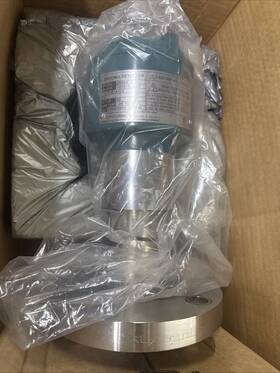
( Brand: Yokogawa ), ( Manufacturer Part Number: ZR22G-070-S-B-C-T-T-E-A ), ( Model: ZR22G-070-S-B-C-T-T-E-A/CV ), ( Part Type: Cv Detector )
Review YOKOGAWA Zr22g-070-s-b-c-t-t-e-a/cv Zirconia Detector
The **Yokogawa ZR22G-070-S-B-C-T-T-E-A** is a high-performance zirconia-based oxygen sensor designed for precision gas analysis in industrial, environmental, and research applications. Engineered with Yokogawa s advanced solid-state technology, this detector combines exceptional durability with unmatched accuracy, making it an ideal choice for monitoring oxygen levels in a wide range of processes, including combustion optimization, emissions control, and gas purity verification. The sensor features a **zirconia (ZrO ) electrolyte cell**, which operates via the electrochemical principle of oxygen ion conduction at elevated temperatures, ensuring reliable and repeatable measurements even in harsh or fluctuating conditions.
At its core, the ZR22G-070-S-B-C-T-T-E-A incorporates a **ceramic zirconia tube** with integrated platinum electrodes, optimized for rapid response times and minimal drift over extended periods. The sensor s robust construction includes a **stainless steel housing** with a protective ceramic tip, safeguarding the delicate zirconia element from thermal shock, abrasion, and corrosive environments. This design allows for seamless integration into high-temperature applications, such as flue gas analysis in power plants or exhaust systems in industrial furnaces, where temperatures can exceed 1,000 C.
One of the standout features of this detector is its **dual-signal output capability**, providing both **voltage (V) and current (mA) signals** for versatile compatibility with Yokogawa s range of analyzers and control systems. The sensor s **self-heating mechanism** ensures consistent operating temperatures, eliminating the need for external heaters and reducing installation complexity. Additionally, the **B-type (band-pass) filter** integrated into the model enhances signal stability by minimizing interference from ambient noise, while the **C-type (compensated) configuration** automatically adjusts for temperature variations, delivering precise oxygen concentration readings regardless of environmental fluctuations.
The ZR22G-070-S-B-C-T-T-E-A is equipped with a **tight-sealing connector** and a **ceramic protection tube**, ensuring long-term reliability in demanding applications. Its compact yet rugged design allows for easy installation in confined spaces, such as ductwork or process pipelines, without compromising performance. Whether deployed in **combustion efficiency monitoring, leak detection, or gas purity testing**, this sensor delivers consistent, high-precision oxygen measurements with minimal maintenance requirements.
Backed by Yokogawa s reputation for innovation and engineering excellence, this zirconia detector represents a cutting-edge solution for industries seeking **high-accuracy, low-drift oxygen sensing** in both static and dynamic environments. Its combination of **thermal resilience, signal flexibility, and long-term stability** makes it a trusted asset for engineers and operators aiming to optimize processes, ensure compliance with emissions regulations, and maintain operational efficiency.
### **Pros and Cons of buying a Yokogawa ZR22G-070-S-B-C-T-T-E-A (Zirconia Detector)**
#### **Pros:**1. **High Sensitivity and Accuracy** Zirconia oxygen sensors are known for their superior precision in measuring oxygen levels, making them ideal for applications requiring strict control, such as combustion optimization, emissions monitoring, and industrial gas analysis.
2. **Wide Measurement Range** The ZR22G series is designed to handle a broad range of oxygen concentrations, from ultra-low levels (ppm range) to high percentages (up to 25% O ), making it versatile for various industrial processes.
3. **Fast Response Time** Zirconia sensors provide quick response times, allowing for real-time adjustments in processes where oxygen levels fluctuate rapidly, such as in furnaces, boilers, or catalytic converters.
4. **Durability and Longevity** Yokogawa sensors are built with robust construction, often featuring ceramic or metal housing that resists corrosion, thermal shock, and mechanical stress, ensuring long-term reliability in harsh environments.
5. **Compatibility with Yokogawa Systems** This sensor is designed to integrate seamlessly with Yokogawa s control systems, analyzers, and communication protocols (e.g., Profibus, Modbus), simplifying installation and maintenance.
6. **Low Maintenance Requirements** Compared to some alternative sensors, zirconia detectors typically require less frequent calibration and replacement, reducing downtime and operational costs.
7. **Wide Temperature and Pressure Tolerance** The sensor can operate effectively across a broad temperature range (often -20 C to 600 C) and withstand high-pressure conditions, making it suitable for extreme industrial settings.
8. **Regulatory Compliance** In industries like power generation, automotive, and environmental monitoring, zirconia sensors meet strict regulatory standards for emissions and efficiency, helping avoid compliance issues.
9. **Cost-Effective for High-Precision Applications** While the initial cost may be higher than some alternatives, the long-term savings from improved process efficiency, reduced fuel consumption, and minimized emissions often justify the investment.
10. **Global Availability and Support** Yokogawa is a well-established manufacturer with extensive global support, ensuring easy access to spare parts, technical assistance, and warranties.
---
#### **Cons:**1. **High Initial Cost** Zirconia sensors, especially from reputable brands like Yokogawa, are more expensive upfront compared to less precise or lower-quality alternatives. This can be a barrier for small businesses or budget-conscious operations.
2. **Sensitivity to Contaminants** Zirconia sensors can degrade or become inaccurate if exposed to certain contaminants such as sulfur compounds, silicones, or particulate matter. Regular cleaning or filtration may be required in polluted environments.
3. **Power Dependency** Most zirconia sensors require a stable power supply (often 24V DC) and may not function optimally in environments with voltage fluctuations or power outages.
4. **Limited Lifespan in Harsh Conditions** While durable, prolonged exposure to extreme temperatures, corrosive gases, or mechanical stress can shorten the sensor s lifespan, necessitating eventual replacement.
5. **Calibration Needs** Although less frequent than some sensors, zirconia detectors still require periodic calibration to maintain accuracy, which adds to maintenance overhead.
6. **Potential for Drift Over Time** Like all sensors, zirconia detectors may experience gradual drift in readings, requiring monitoring and adjustment to ensure reliability.
7. **Installation Complexity** Proper installation, including positioning, sealing, and wiring, is critical for accurate readings. Improper installation can lead to inaccurate data or sensor failure.
8. **Limited Use in Inert or Reducing Atmospheres** Zirconia sensors rely on oxygen detection and may not function correctly in environments where oxygen levels are consistently low or absent (e.g., certain chemical processes).
9. **Dependence on Reference Gas** Some zirconia sensors require a reference gas (e.g., air or nitrogen) for calibration, which adds complexity to the setup.
10. **Potential for False Readings in Humid Environments** High humidity can sometimes interfere with sensor performance, though this is less common with high-quality models like the Yokogawa ZR22G.
---
### **Conclusion:**The **Yokogawa ZR22G-070-S-B-C-T-T-E-A zirconia detector** is a high-performance sensor ideal for applications demanding **precision, reliability, and durability** in oxygen measurement. Its strengths lie in **accuracy, fast response, and compatibility with industrial systems**, making it a preferred choice for **combustion control, emissions monitoring, and process optimization**. However, its **higher cost, sensitivity to contaminants, and maintenance requirements** may pose challenges for smaller operations or environments with extreme conditions.
For industries where **oxygen measurement is critical to efficiency, safety, or compliance** (e.g., power plants, automotive manufacturing, or environmental monitoring), the **Yokogawa ZR22G is a strong recommendation**. Conversely, if **budget constraints or simpler applications** are priorities, alternative sensors (e.g., paramagnetic or electrochemical) might be more suitable.
### **Recommendation:**- **Buy if:** You need a **highly accurate, durable, and reliable oxygen sensor** for critical industrial processes where precision directly impacts efficiency, emissions control, or regulatory compliance.
- **Consider alternatives if:** Your application requires **lower cost, simpler maintenance, or operation in highly contaminated or inert environments**.
- **Ensure proper installation and maintenance** to maximize lifespan and accuracy. Regular calibration and environmental monitoring (e.g., filtering contaminants) will help mitigate potential drawbacks.
For most **large-scale industrial or high-precision applications**, the **Yokogawa ZR22G-070-S-B-C-T-T-E-A remains a top-tier choice** due to its proven performance and integration capabilities.
Details:
With the trusted brand of YOKOGAWA and a specific model number, this detector ensures accurate reliable performance. I put used on it. It may be a refuted unit. The YOKOGAWA ZR22G-070-S-B-C-T-T-E-A/CV ZIRCONIA DETECTOR is a high-quality industrial automation equipment designed for detecting zirconia in various applications.
The shaft shows a bit of wear. I took pics of it. Although, item at top looks new. Ideal for businesses and industries looking precise automation equipment to enhance their manufacturing processes.
part #: zr22g070sbctte price
- $1199.99
specifications automationjack:
- brand: Yokogawa
- mpn: Zr22g-070-s-b-c-t-t-e-a
- model: Zr22g-070-s-b-c-t-t-e-a/cv
- part type: Cv Detector
offer automationjack:
- sold: 0
- availability: In Stock
- options: Ship-to-home
- quantity: 1
- started: March 26, 2026
payments automationjack:
- other
- credit card: Visa
- wallet: Apple-pay
shipping automationjack:
- transit: 4-9 Days
- carrier: USPS
- cost: $0.00
- service: USPS Ground Advantage
- type: Calculated
- class: Standard
general automationjack:
- condition: Used
- Business Industrial > Industrial Automation Motion Controls > Other Automation Equipment
seller automationjack:
- city: Grand Prairie, Texas
- # reviews: 20308
- rating: 99.9%
returns automationjack:
- paid by: Seller
- time: 30 Days
- method: Money back
- policy: Returns Accepted
Yokogawa ZR22G-070-S-B-C-T-T-E Is Similar To:
- Yokogawa Za8c Used Exa Oxy Zirconia Oxygen Analyzer (42.2% similar) Facilities and considered either new old stock, used or refurbished by a third party. Used Yokogawa exam ox zirconia oxygen analyzer ZA8C. Shelving number 1E3...(October 25th, 2024)