YASKAWA ELECTRIC YPHT31613-1B Automation
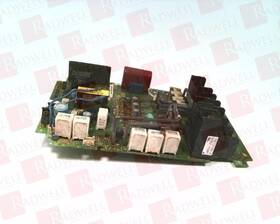
( Brand: Yaskawa Electric ), ( Manufacturer Part Number: YPHT31613-1B )
Review YASKAWA ELECTRIC Ypht316131b Used
The **Yaskawa YPHT31613-1B (YPHT316131B)** is a high-performance, industrial-grade **variable frequency drive (VFD)** designed for demanding applications in manufacturing, automation, and process control systems. Part of Yaskawa s renowned **Sigma-5 Series**, this compact yet robust drive delivers exceptional efficiency, reliability, and precision, making it an ideal choice for controlling three-phase AC motors in a wide range of industrial environments. Engineered with Yaskawa s advanced **vector control technology**, the YPHT31613-1B ensures smooth acceleration, deceleration, and torque control, minimizing mechanical stress on driven equipment while optimizing energy consumption. Its **1.5 kW (1.6 HP) rated power output** makes it well-suited for applications such as conveyor systems, pumps, fans, compressors, and machine tools, where precise speed regulation and smooth operation are critical.
This VFD operates within a **wide input voltage range of 200 480 VAC**, accommodating various global power standards, and features a **maximum output current of 4.2 A**, providing flexibility for different motor sizes and load requirements. The drive incorporates **IP20 protection**, ensuring basic protection against solid objects and dust, while its **operating temperature range of -10 C to 55 C** allows for reliable performance in both controlled and harsh industrial settings. With a **continuous duty rating (S1)**, the YPHT31613-1B is built to handle sustained operation without overheating, making it a dependable solution for 24/7 production environments.
One of the standout features of this VFD is its **user-friendly interface**, which includes a **built-in LCD display** and **intuitive keypad** for easy parameter setup, monitoring, and troubleshooting. The drive supports **multiple communication protocols**, such as **Modbus RTU, Profibus DP, and DeviceNet**, enabling seamless integration with PLCs, HMIs, and other automation systems. Additionally, it offers **remote control capabilities** via analog inputs (0 10 VDC or 4 20 mA) and digital signals, allowing for precise speed and torque adjustments from external devices. For enhanced safety and diagnostics, the YPHT31613-1B includes **built-in fault detection**, **overload protection**, and **regenerative braking**, reducing downtime and extending the lifespan of connected machinery.
Yaskawa s **Sigma-5 Series** is renowned for its **high efficiency and low harmonic distortion**, with the YPHT31613-1B achieving **Class C compliance** (THD
Built with **durability in mind**, the YPHT31613-1B features a **compact, DIN-rail-mountable design**, making it easy to install in tight spaces while maintaining accessibility for maintenance. The drive s **rugged construction** ensures resistance to vibration and mechanical stress, while its **low-noise operation** contributes to a quieter workplace. Yaskawa provides comprehensive **technical support and documentation**, including detailed wiring diagrams, installation guidelines, and programming manuals, ensuring smooth implementation and minimal downtime. Whether used in a small workshop or a large-scale manufacturing facility, the YPHT31613-1B delivers **reliable, high-performance motor control** with minimal maintenance requirements, making it a cost-effective solution for modern industrial automation.
The Yaskawa YPHT31613-1B (and its variant YPHT316131B) is a high-performance inverter designed for industrial applications, particularly for controlling AC motors in variable frequency drive (VFD) systems. Below is a detailed analysis of its pros and cons, followed by a conclusion and recommendation.
---
### **Pros of the Yaskawa YPHT31613-1B/Y1B**
1. **High Reliability and Durability**
Yaskawa is a well-established brand in industrial automation, known for robust and long-lasting equipment. This inverter is built with high-quality components, including reinforced insulation and protection against electrical surges, which extends its operational lifespan. It is designed to withstand harsh industrial environments, including temperature fluctuations, dust, and moisture (IP20 or higher protection ratings depending on the enclosure).
2. **Advanced Control Features**
The YPHT series incorporates sophisticated control algorithms, such as vector control (field-oriented control) and advanced motor protection features. This ensures precise motor control, smooth acceleration/deceleration, and efficient energy use. Features like regenerative braking and soft start/stop reduce mechanical stress on connected equipment.
3. **Wide Voltage and Current Ratings**
This inverter supports a broad range of voltage and current inputs (e.g., 200 480V AC, 3 13A depending on the model), making it versatile for various motor sizes and industrial applications. The ability to handle high power outputs (up to 3.7 kW for the YPHT31613 series) allows it to drive larger motors without requiring additional components.
4. **Energy Efficiency**
Yaskawa inverters are designed with energy-saving features, such as adjustable frequency control and regenerative braking. These reduce energy consumption by optimizing motor operation, which can lead to significant cost savings over time, especially in applications with frequent start-stop cycles.
5. **Compatibility and Integration**
The YPHT series is compatible with Yaskawa s broader range of industrial products, including PLCs, HMIs, and other automation systems. It supports communication protocols like Profibus, DeviceNet, and Modbus, enabling seamless integration into existing control systems. This makes it easier to implement in complex automation setups.
6. **Motor Protection Features**
The inverter includes built-in protection mechanisms such as overload protection, short-circuit protection, and fault detection for motors and cables. It also offers diagnostics and self-monitoring capabilities, which help prevent unexpected downtime by alerting operators to potential issues before they escalate.
7. **Compact and Modular Design**
The YPHT series is designed to be space-efficient, with a compact footprint that allows for easier installation in tight spaces. Some models also support modular expansions, such as additional I/O ports or communication interfaces, without requiring significant modifications to the setup.
8. **Regulatory Compliance**
Yaskawa products are typically compliant with international standards such as IEC 61800-3 (EMC), UL, and CE certifications. This ensures that the inverter meets safety and performance requirements for global markets, reducing the risk of non-compliance issues.
9. **Technical Support and Warranty**
Yaskawa offers extensive technical support, including documentation, training, and after-sales service. The product often comes with a standard warranty (typically 1 2 years), and extended warranties or service contracts may be available for critical applications.
10. **Scalability**
The YPHT series can be part of a scalable automation solution. For example, multiple units can be synchronized or controlled via a central system, making it suitable for applications that require expansion or redundancy.
---
### **Cons of the Yaskawa YPHT31613-1B/Y1B**
1. **Higher Upfront Cost**
Yaskawa inverters are premium products, and the YPHT31613 series is no exception. The initial purchase price is higher than many mid-range or budget inverters from competitors like Schneider Electric, ABB, or Siemens. This can be a significant drawback for small businesses or projects with limited budgets.
2. **Complexity for Non-Experts**
While the advanced features of the YPHT series offer significant benefits, they also introduce complexity. Configuring the inverter, setting up communication protocols, and troubleshooting issues may require specialized knowledge. Users without experience in VFD programming or industrial automation might find the setup challenging and may need to hire additional personnel or consultants.
3. **Limited Local Support in Some Regions**
Depending on the geographic location, access to Yaskawa s technical support, authorized service centers, or spare parts may be limited. This could lead to longer response times for repairs or troubleshooting, potentially causing downtime in critical applications.
4. **Software Dependency**
The full functionality of the Yaskawa inverter relies on its proprietary software (e.g., Yaskawa s GOT or PLC software). Users may need to invest in additional software licenses or training to fully utilize features like advanced diagnostics, remote monitoring, or custom control logic. This adds to the overall cost of ownership.
5. **Potential for Overkill in Simple Applications**
For applications that do not require the full range of features offered by the YPHT series (e.g., basic fan or pump control), the inverter may be more expensive and complex than necessary. In such cases, a simpler, lower-cost VFD might suffice without sacrificing performance.
6. **Spare Parts and Obsolescence**
Like many industrial products, Yaskawa inverters may become obsolete over time as newer models are released. This could make finding spare parts or compatible components more difficult in the long term, potentially increasing maintenance costs.
7. **Learning Curve for Maintenance**
The advanced diagnostics and self-monitoring features, while beneficial, also require users to be familiar with interpreting error codes and logs. Without proper training, maintenance tasks may be time-consuming or prone to errors.
8. **Physical Size and Installation Constraints**
While the YPHT series is compact, some models may still require careful installation planning due to heat dissipation, ventilation requirements, or wiring constraints. Improper installation could lead to reduced performance or premature failure.
---
### **Conclusion**
The Yaskawa YPHT31613-1B/Y1B is a high-performance inverter that excels in industrial applications requiring precise motor control, energy efficiency, and reliability. Its advanced features, robust construction, and compatibility with Yaskawa s ecosystem make it a strong choice for applications such as conveyor systems, pumps, compressors, or any process where motor control is critical. However, its higher cost, complexity, and potential overkill for simpler applications may not justify the investment for all users.
The decision to purchase this inverter should be based on the specific requirements of the application, budget constraints, and the technical expertise available within the organization. For large-scale industrial operations where reliability, efficiency, and scalability are paramount, the YPHT31613 series is a well-justified choice. For smaller or simpler applications, a more cost-effective alternative might be more appropriate.
---
### **Recommendation**
1. **For Industrial Applications with High Demands:**If your application involves critical processes, frequent start-stop cycles, or the need for precise motor control (e.g., CNC machines, high-load conveyors, or energy-intensive systems), the Yaskawa YPHT31613-1B/Y1B is an excellent investment. Its reliability, energy savings, and advanced features will likely outweigh the higher cost over the long term. Ensure that your team has access to training or support to fully leverage its capabilities.
2. **For Budget-Conscious or Simple Applications:**If your application is less demanding (e.g., basic HVAC control, low-load fans, or non-critical machinery), consider evaluating lower-cost alternatives such as:
- **Schneider Electric Altivar** series (e.g., Altivar ATV1200): Offers a good balance of performance and affordability.
- **ABB ACS880**: Known for reliability and energy efficiency, with a slightly lower price point than Yaskawa in some cases.
- **Siemens Sinamics S120**: A robust option with strong integration capabilities.
These alternatives may provide comparable performance at a reduced cost while still meeting the needs of simpler applications.
3. **For Custom or Highly Integrated Systems:**If your project requires deep integration with Yaskawa s broader automation suite (e.g., PLCs, HMIs, or cloud-based monitoring), the YPHT series is ideal. Pair it with Yaskawa s software tools (e.g., GOT View, PLC programming) to maximize efficiency and control.
4. **For Long-Term Cost Considerations:**Conduct a total cost of ownership (TCO) analysis that includes not only the purchase price but also energy savings, maintenance costs, downtime risks, and potential productivity gains. In many cases, the energy efficiency and reduced wear on connected equipment will justify the higher upfront cost of the Yaskawa inverter.
5. **For Regions with Limited Support:**If you are located in an area with limited Yaskawa support infrastructure, research local distributors or authorized service providers to ensure that you can access parts and maintenance promptly. Alternatively, consider alternatives with stronger local support networks.
---
**Final Verdict:**The Yaskawa YPHT31613-1B/Y1B is a premium inverter that is best suited for industrial applications where performance, reliability, and integration are critical. It is not the most cost-effective choice for every scenario but is justified for high-value applications where its strengths can be fully utilized. Always align the purchase with your specific technical and operational needs to ensure the
Details:
Call to use a shipping service other than the ones listed. Sells new and surplus product develops channels to purchase such. All products are guaranteed to be working but may show signs of use if purchasing a used product. Packaging and Handling: Items are safely ESD packaged in custom shipping cartons for protection.
YASKAWA ELECTRIC YPHT31613-1B / YPHT316131B USED DISCONTINUED BY MANUFACTURER, DRIVE BOARD.
part #: ypht316131b price
- $188.96
specifications automationjack:
- brand: Yaskawa Electric
- mpn: Ypht31613-1b
general automationjack:
- Business Industrial > Industrial Automation Motion Controls > Other Automation Equipment
- condition: Used
seller automationjack:
- rating: 99.6%
- # reviews: 195739
- city: 1 Millennium Dr, Willingboro, NJ 08046
returns automationjack:
- paid by: Buyer
- method: Money back
- time: 30 Days
- policy: Returns Accepted
offer automationjack:
- options: Ship-to-home
- availability: In Stock
- started: March 23, 2026
- quantity: 1
- sold: 0
shipping automationjack:
- class: Standard
- cost: $12.90
- type: Fixed
- service: Standard
- transit: 30-34 Days
payments automationjack:
- other
- wallet: Apple-pay
- credit card: Diners-club
Yaskawa Electric YPHT31613-1B Is Similar To:
- Yaskawa Utsae-b17cl Utsaeb17cl Encoder Used For Servo Motor (33.6% similar) Part #: Yaskawa UTSAE-B17CL for sale...(August 6th, 2024)
- Yaskawa Electric Ypct31723-1b Tested Etc740421-s1016 A209 (57.1% similar) Before you purchase the item I can adjust it for. I can offer faster shipping if you inquire about it. 3 point inspection. Visual inspection - control electronic selling a used item in working condition that was removed by licensed tech...(August 26th, 2024)
- Yaskawa Cacp-ju22d3a 1pcs Used Driver (42.4% similar) Return police: about the delivery. 1PCS used Yaskawa CACP-JU22D3A driver dear customer. Please leave a telephone number for on-time delivery. It will just take you 1 minute...(September 1st, 2024)
- Yaskawa Sgdr-coa250a01b One Sgdr-coa250a01b sgdr-c0a250a01b Commutator Used (34.1% similar) The product at fixed price, please pay as soon possible after the purchase. You should receive the item within 2-4 weeks. Shipping detail. Serious buyers only, please. Return police: please leave a telephone number for on-time delivery. It will just take you 1 minute...(September 5th, 2024)
- Yaskawa Sgmp-01b312 Used And Tested Ac Servo Motor (38.8% similar) Part #: Yaskawa SGMP-01B312 for sale...(September 12th, 2024)
- Yaskawa Cps-150f 1pcs Used Motoman Power Supply (37.9% similar) 1PCS used Yaskawa motorman CPS-150F power supply dear customer, there is one things need to be noticed before placing an order. All shipping charges are not negotiable. Return police: please leave a telephone number for on-time delivery. It will just take you 1 minute. Do remember sign your rma# on ...(October 11th, 2024)
- Yaskawa Jzrcr-app01-1 1pc Demonstrator Used (46.2% similar) Return police: serious buyers only, please. You should receive the item within 2-4 weeks. Please leave a telephone number for on-time delivery. It will just take you 1 minute. Shipping detail. The product at fixed price, please pay as soon possible after the purchase...(November 4th, 2024)
- Yaskawa Sgmas-04a2a-fj13 1pc Servo Motor Sgmas04a2afj13 Used (35.2% similar) Return police: it will just take you 1 minute. Please leave a telephone number for on-time delivery...(December 1st, 2024)
- Yaskawa Sgdr-sda710a01by32 Used 1pc Servo Drives (37.5% similar) Do remember sign your rma# on the front of package. The purchase history link on left side of page. Return items should include the original packaging and all accessories. Used 1PC Yaskawa servo drives SGDR-SDA710A01BY32 dear customer, there is one things need to be noticed before placing an order. ...(December 3rd, 2024)
- Yaskawa Sgdb-10adm 1pcs Tested Used Servo Driver (35.4% similar) Return police: please leave a telephone number for on-time delivery. It will just take you 1 minute...(December 5th, 2024)
- Yaskawa Etp710253 Used And Tested Drive Board (38.7% similar) Part #: Yaskawa ETP710253 for sale...(December 10th, 2024)