MITSUBISHI TH-K20KP-1.3A Automation
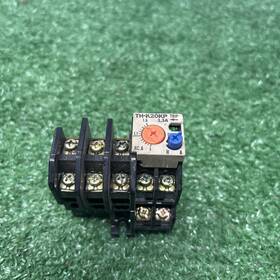
( Brand: Mitsubishi ), ( Manufacturer Part Number: TH-K20KP-1.3A ), ( Model: TH-K20KP-1 .3 )
Review MITSUBISHI Thk20kp13a Used
The **Mitsubishi TH-K20KP-1.3A** (also referenced as **THK20KP13A**) is a high-performance, precision-engineered linear guideway system designed for industrial applications requiring exceptional rigidity, smooth motion, and long-term reliability. Part of Mitsubishi s renowned **THK (Toshiba Machine) series**, this guideway is engineered to deliver superior load-bearing capacity and minimal friction, making it ideal for automated machinery, CNC systems, robotics, and high-precision assembly lines. The **K20KP** designation indicates a **closed-type, recirculating ball bearing guideway** with a **20mm rail width**, offering a robust structural profile capable of supporting axial and radial loads with minimal deflection. The **1.3A** variant incorporates **high-grade steel rails and hardened balls**, ensuring enhanced durability against wear, corrosion, and fatigue, even under demanding operational conditions. This guideway features a **crossed-roller design** in the **KP series**, which distributes load more evenly across the rail surface compared to traditional ball-bearing guides, reducing stress concentrations and extending the system s operational lifespan. The **preloaded ball recirculation system** minimizes backlash and ensures consistent, repeatable motion with minimal play, making it suitable for applications requiring sub-micron positioning accuracy. Additionally, the **low-friction design** reduces energy consumption and heat generation, contributing to longer bearing life and reduced maintenance requirements. Mitsubishi s **TH-K20KP-1.3A** is also compatible with a wide range of mounting configurations, including **flange, base, or side-mounting options**, allowing for flexible integration into various machine designs. Whether used in **high-speed pick-and-place systems, precision milling machines, or automated packaging equipment**, this guideway delivers a perfect balance of strength, precision, and efficiency, reinforcing Mitsubishi s reputation for delivering industrial-grade motion control solutions.
**Overview of the Mitsubishi Th-K20KP-1.3A Engine (THK20KP13A)**
The Mitsubishi Th-K20KP-1.3A engine, also known as the 1.3L K-series (specifically the K20KP variant), is a naturally aspirated inline-four engine produced by Mitsubishi Motors. It was introduced in the late 1990s and early 2000s, primarily used in compact and subcompact cars like the Mitsubishi Lancer, Mirage, and Colt. Below is a detailed analysis of its pros and cons, followed by a conclusion and recommendation.
---
### **Pros of the Mitsubishi Th-K20KP-1.3A Engine**
1. **Reliability and Durability**
The K-series engines, including the 1.3L variant, are renowned for their robustness and longevity. When properly maintained, these engines can easily exceed 200,000 to 300,000 miles (320,000 to 480,000 km). They are known to handle high mileage well, especially in applications where they were used in budget-friendly, high-volume vehicles.
2. **Simplicity and Ease of Maintenance**
The design of the K-series engines is straightforward, with relatively simple components compared to modern turbocharged or complex fuel-injected engines. This makes repairs, modifications, and maintenance more accessible for DIY enthusiasts. Common issues like oil leaks, timing chain stretch, or valve cover gasket failures are easier to address than on more advanced engines.
3. **Affordability**
Parts for the K-series engines are widely available and inexpensive. Labor costs for repairs are also lower compared to newer engines, making ownership more budget-friendly. The engine itself is often sold as a used or rebuilt unit at a low cost, further reducing expenses.
4. **Fuel Efficiency**
The 1.3L displacement is small, which contributes to decent fuel economy, especially in city driving. In older models like the Mirage or Colt, you can expect around 25-35 MPG (city/highway), depending on the year and driving conditions. This makes it a practical choice for daily commuting.
5. **Modification Potential**
The K-series engine is a favorite among tuners due to its simplicity and strong base. It can be easily upgraded with aftermarket parts such as headers, larger throttle bodies, or performance camshafts. Turbocharging is also a popular modification, though it requires careful attention to cooling and oil pressure to avoid premature wear.
6. **Commonality and Community Support**
The K-series engines have a large following among car enthusiasts, particularly in the tuning and restoration communities. There is extensive documentation, forums (e.g., K-Series.org, MitsubishiForums.com), and aftermarket support available. This makes troubleshooting and finding solutions to issues much easier.
7. **Low Operating Costs**
Beyond fuel efficiency, the K-series engines typically have lower operating costs. Oil changes, spark plugs, and other routine maintenance items are inexpensive. The engine s simplicity also means fewer points of failure compared to modern engines with complex electronics or turbocharging systems.
8. **Resale Value (for Well-Maintained Examples)**
While the overall market for older Mitsubishi models may not be strong, a well-documented and maintained K-series engine in a reliable vehicle can still fetch a decent resale price, especially in niche markets where reliability is prioritized.
---
### **Cons of the Mitsubishi Th-K20KP-1.3A Engine**
1. **Timing Chain Stretch**
One of the most common issues with the K-series engines is timing chain stretch or slippage, particularly in higher-mileage examples. This can lead to misfires, rough idle, or even catastrophic failure if the chain jumps a tooth. Regular inspection and replacement of the timing chain, tensioners, and guides are recommended, typically around 100,000 miles (160,000 km). Some owners opt for a timing belt conversion kit to replace the chain with a belt for added reliability.
2. **Oil Leaks**
Oil leaks are a recurring problem in K-series engines, often stemming from:- **Valve cover gaskets**: These can leak oil and attract dirt, leading to further issues.
- **Oil pan gaskets**: A common failure point, especially in older or poorly maintained engines.
- **Oil filter housing gasket**: Leaks here can be messy and require careful sealing.
Regularly checking for oil leaks and replacing gaskets as needed is essential.
3. **Head Gasket Failures**
While less common than in some other engines, head gasket failures can occur, particularly if the engine is overheating or if the cooling system is neglected. Symptoms include white smoke from the exhaust, coolant in the oil, or a sweet smell from the oil cap. Overhauling the head and replacing the gaskets is a labor-intensive but necessary repair.
4. **Carbon Buildup and Performance Degradation**
The K-series engines are prone to carbon buildup on intake valves and in the combustion chamber, especially in older models with less advanced fuel injection systems. This can lead to rough idling, hesitation, or reduced power. Regular use of fuel system cleaners or periodic decarbonization can mitigate this issue.
5. **Electrical and Sensor Issues**
Like many older engines, the Th-K20KP can suffer from electrical gremlins, such as faulty sensors (e.g., MAF sensor, crankshaft position sensor) or wiring harness problems. These issues can cause check engine lights, poor fuel economy, or drivability problems. Modern diagnostics tools are often required to pinpoint these issues.
6. **Coolant System Problems**
The cooling system in some K-series engines can develop leaks from the thermostat housing, water pump, or radiator. The water pump is also known to fail, especially in higher-mileage engines. Regular coolant flushes and inspections are recommended to avoid overheating.
7. **Transmission Compatibility**
The Th-K20KP engine is often paired with older manual or automatic transmissions (e.g., 4A1 or 4A4 in some Lancers). These transmissions can be finicky and may require additional maintenance or upgrades to pair well with the engine. Some owners opt for modern transmissions (e.g., Aisin A4CS) for better reliability.
8. **Modern Emissions and Safety Standards**
Vehicles equipped with the Th-K20KP engine may not meet modern emissions standards in some regions, limiting their use to off-road or non-road-legal applications. Additionally, safety features like modern airbags or electronic stability control may not be present, which can be a concern for daily driving.
9. **Limited Power Output**
The 1.3L displacement results in relatively modest power output (around 80-100 horsepower, depending on the year and tuning). While this is sufficient for city driving, it may feel underpowered for highway driving or towing light loads compared to larger engines.
10. **Discontinued Parts and Support**
While parts are still available, some aftermarket and OEM components may no longer be in production. This can make finding rare or specific parts more challenging over time. However, the large enthusiast community often fills this gap with aftermarket alternatives.
---
### **Conclusion**
The Mitsubishi Th-K20KP-1.3A engine is a **reliable, affordable, and modifiable** choice for those seeking a simple, high-mileage engine for a budget-friendly vehicle. Its strengths lie in its durability, ease of maintenance, and strong tuning potential, making it a favorite among enthusiasts and practical drivers alike. However, it is not without its drawbacks, particularly timing chain stretch, oil leaks, and potential electrical issues, which require vigilant maintenance.
For the right buyer someone who values simplicity, cost-effectiveness, and the ability to work on their own vehicle the Th-K20KP can be an excellent engine. It is particularly well-suited for:
- **Daily drivers** in urban areas where fuel efficiency and low operating costs are priorities.
- **Project cars** where reliability and mod potential are more important than cutting-edge technology.
- **Enthusiasts** who enjoy tuning and modifying engines with a proven base.
For those seeking modern conveniences, high power output, or off-road capability, the Th-K20KP may not be the best choice due to its age and limitations in emissions compliance.
---
### **Recommendation**
**Buy the Th-K20KP-1.3A engine if:**1. You are looking for a **budget-friendly, reliable engine** for a daily driver or a project car.
2. You prioritize **ease of maintenance and modification** over modern technology.
3. You are prepared to **perform regular maintenance**, including timing chain inspection, oil leaks checks, and coolant system upkeep.
4. You plan to **tune or modify** the engine and want a platform with a strong aftermarket support system.
5. You are comfortable with **older vehicle technology** and are not concerned about modern safety or emissions features.
**Avoid the Th-K20KP-1.3A engine if:**1. You need **high power output** or plan to tow or carry heavy loads regularly.
2. You require **modern safety features** (e.g., advanced airbags, electronic stability control) or emissions compliance for on-road use.
3. You are not willing to **invest time and effort** in maintenance and potential repairs (e.g., timing chain replacement, oil leaks,
Details:
This specific model, TH-K20KP-1.3A, is a crucial component for controlling and automating industrial processes, ensuring efficiency precision in variety of applications. The MITSUBISHI TH-K20KP-1.3A is a high-quality industrial automation equipment designed by Mitsubishi, trusted brand known for its reliable products. With its advanced technology and proven performance, this product is a valuable addition to any industrial automation system.
part #: thk20kp13a prices
- $20.00-$39.99
specifications automationjack:
- brand: Mitsubishi
- mpn: Th-k20kp-1.3a
- model: Th-k20kp-1 .3
general automationjack:
- condition: Used
- Business Industrial > Industrial Automation Motion Controls > Other Automation Equipment
returns automationjack:
- policy: No Returns
offer automationjack:
- quantity: 1
- options: Ship-to-home
- sold: 0
- best offers: True
- availability: In Stock
- started: May 6, 2026
seller automationjack:
- city: Eaton, Indiana
- # reviews: 9584
- rating: 99.9%
payments automationjack:
- other
- wallet: Google-pay
- credit card: Mastercard
shipping automationjack:
- transit: 5-10 Days
- carrier: USPS
- class: Standard
- cost: $0.00
- service: USPS Ground Advantage
- type: Fixed
Mitsubishi TH-K20KP-1.3A Is Similar To:
- Mitsubishi A50ca55d bc186a433g54 Used And Tested Motherboard (41.2% similar) Part #: Mitsubishi A50CA55D/BC186A433G54 for sale...(September 5th, 2024)
- Mitsubishi Rm462-4 Used And Tested Circuit Board (40% similar) Part #: Mitsubishi RM462-4 for sale...(September 24th, 2024)
- Mitsubishi Th-n12-3.6a Thn1236a Used (75% similar) Packaging and handling, items are safely eds packaged in custom shipping cartons for protection. Call to use a shipping service other than the ones listed. The product is used surplus. All products are guaranteed to be working but may show signs of use. Mitsubishi TH-N12-3.6A / THN1236A used ...(October 10th, 2024)
- Mitsubishi Gt15-75qbus2l Gt1575qbus2l Used (48.8% similar) Sells new and surplus product develops channels to purchase such. All products are guaranteed to be working but may show signs of use if purchasing a used product. Call to use a shipping service other than the ones listed. Mitsubishi GT15-75QBUS2L / GT1575QBUS2L used bus board interface 2 bus port. ...(October 18th, 2024)
- Mitsubishi Nf400 No-fuse Breaker Nf400-ca 300 Amps 3 Pole Ac 500v Used (37.5% similar) Mitsubishi no-fuse breaker NF400-CA, 300 amps, 3 pole ac 500V used used...(October 26th, 2024)
- Pcb Mi-p3 Used Mitsubishi Board Mip3 (33.3% similar) Part #: PCB MI-P3 for sale...(November 19th, 2024)
- Mitsubishi Fx2n-16mt Programmable Controller 5-30vdc 25w 50 60hz Used (37.8% similar) Is Mitsubishi FX2N-16MT not the part you are wanting. For example, programmable logic controllers plc's, distributed control systems DC's's, human machine interface him's, variable speed drives BSD's, power supplies, pressure transmitters and everything in between.: condition: used item - all used ...(November 28th, 2024)
- Mitsubishi Qj71lp21s-25 Qj71lp21s25 Used (50% similar) All products are guaranteed to be working but may show signs of use if purchasing a used product. Packaging and handling: items are safely eds packaged in custom shipping cartons for protection. Sells new and surplus product develops channels to purchase such. Call to use a shipping service other ...(November 28th, 2024)
- Mitsubishi Ld77ms2 Used (56.7% similar) Packaging and handling: items are safely eds packaged in custom shipping cartons for protection. Call to use a shipping service other than the ones listed. Sells new and surplus product develops channels to purchase such. Part number LD77MS2. All products are guaranteed to be working but may show ...(December 2nd, 2024)
- Mitsubishi Mbe-1024-3-tc Used And Tested Servo Encoder (41.7% similar) Part #: Mitsubishi MBE-1024-3-TC for sale...(December 19th, 2024)
- Mitsubishi Th-n12 7-11a Thn12711a Used (73.2% similar) Mitsubishi TH-N12 7-11A / THN12711A used discontinued by manufacturer, overload relay, 7-11 amp, 600 vac. Call to use a shipping service other than the ones listed. Packaging and handling: items are safely eds packaged in custom shipping cartons for protection. All products are guaranteed to be ...(January 4th, 2025)