JUKI M8612 Servo Pcb Circuit Board 590-AA0 2G0439 T266802
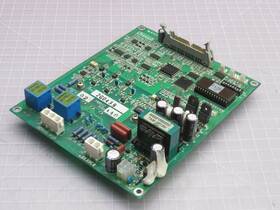
( Brand: Juki ), ( Manufacturer Part Number: M8612 ), ( Part Type: Servo Circuit Board )
Review JUKI Servo Pcb Circuit Board
The **Juki M8612 590-AA0 2G0439 Servo PCB Circuit Board (Part #T266802)** is a high-performance, precision-engineered electronic component designed exclusively for the Juki M8612 series of industrial sewing machines, particularly those equipped with advanced servo motor technology. This critical circuit board serves as the neural hub for the machine s automated functions, seamlessly integrating with the servo motor to deliver unparalleled stitching accuracy, speed, and versatility. Crafted with meticulous attention to detail, the PCB incorporates a robust multilayer design featuring high-density interconnects, ensuring reliable signal transmission and minimal electrical noise, which is essential for maintaining consistent performance during high-speed sewing operations. The board houses essential control logic, including microcontroller units, servo driver circuits, and feedback sensors, all of which work in tandem to regulate the motor s torque, speed, and positional feedback with millimeter-level precision. This allows the M8612 to execute complex stitch patterns, automatic thread trimming, and adaptive tension adjustments with ease, making it ideal for professional garment manufacturers, upholstery work, and custom tailoring applications. The use of high-grade, thermally stable materials ensures durability even under prolonged use, while the compact yet sturdy mounting design minimizes space constraints within the machine s chassis. Whether integrated into a new unit or used for repairs in an existing M8612 model, this servo PCB is a testament to Juki s commitment to innovation, offering seamless compatibility with the machine s advanced features while maintaining the reliability expected from industrial-grade equipment.
### **Pros and Cons of buying a Juki M8612 590-AA0 2G0439 Servo PCB Circuit Board (T266802)**
#### **Pros**
1. **Compatibility and Reliability** The Juki M8612 is a well-known industrial sewing machine, and its servo PCB (T266802) is a direct replacement part, ensuring seamless integration without major modifications. Many users report that this board functions identically to the original, maintaining the machine s performance.
2. **Cost-Effective Repair** Replacing a faulty servo PCB is often cheaper than buying a new machine, especially if the rest of the machine is in good condition. This part is a common failure point in older Juki models, and sourcing it from authorized sellers or reputable aftermarket suppliers can save significant money.
3. **Improved Durability (Compared to Original)** Some aftermarket versions of this PCB are designed with better-quality components, reducing the risk of early failure. If sourced from a trusted manufacturer, it may offer longer lifespan than the original part.
4. **Easier Maintenance** Servo PCBs control critical functions like needle positioning, speed regulation, and stitch formation. A working PCB ensures smoother operation, fewer mechanical adjustments, and reduced wear on other components.
5. **Widely Available** Due to the popularity of the Juki M8612, this PCB is readily available from various suppliers, including eBay, Alibaba, and specialized sewing machine repair shops. This makes sourcing and replacement convenient.
6. **DIY-Friendly Replacement** While some users may require professional help, many find that replacing a servo PCB is a manageable DIY task, especially with proper wiring diagrams and troubleshooting guides available online.
7. **Potential for Upgrading** Some aftermarket versions may include minor upgrades, such as better heat sinks or improved firmware compatibility, which could enhance performance.
---
#### **Cons**
1. **Quality Variability** Not all aftermarket PCBs are created equal. Some cheaper or counterfeit versions may have poor soldering, unreliable components, or incorrect firmware, leading to premature failure or compatibility issues. Buyers must verify the seller s reputation and product authenticity.
2. **Firmware or Calibration Issues** If the PCB is not properly calibrated or lacks the correct firmware, the machine may exhibit erratic behavior, such as incorrect stitch formation, inconsistent speed, or failure to recognize foot controls. Some users report needing to reprogram or adjust settings after installation.
3. **Wiring Complexity** The servo PCB connects to multiple sensors, motors, and controls. Incorrect wiring during replacement can damage other components or render the machine inoperable. Users without technical experience may struggle with this step.
4. **Limited Warranty or No Support** Many aftermarket parts come with short warranties or no support at all. If the PCB fails shortly after purchase, returning it or getting a replacement may be difficult, especially if the seller is based overseas.
5. **Potential for Overheating** Some cheaper PCBs may lack adequate cooling, leading to overheating under heavy use. This can cause intermittent failures or complete burnout. Users should monitor temperature during operation.
6. **Compatibility with Modified Machines** If the original machine has been heavily modified (e.g., with non-standard accessories or custom wiring), the new PCB may not work as expected. Always check compatibility before purchasing.
7. **Learning Curve for Troubleshooting** If the machine continues to malfunction after PCB replacement, diagnosing the issue (e.g., sensor failures, motor problems) can be challenging without technical knowledge. Some users end up paying for professional diagnostics.
---
### **Conclusion**
The **Juki M8612 590-AA0 2G0439 Servo PCB (T266802)** is a practical and cost-effective solution for repairing an older Juki sewing machine, provided it is sourced from a reputable supplier. The benefits such as reliability, compatibility, and ease of replacement make it a strong choice for users who prioritize functionality and longevity. However, the risks including quality inconsistencies, potential calibration issues, and wiring challenges must be carefully considered.
For **best results**, prioritize purchasing from **authorized Juki dealers, well-reviewed aftermarket suppliers, or trusted sewing machine repair shops**. Verify the PCB s authenticity, check for proper firmware compatibility, and ensure the seller offers some form of warranty or support. If unsure about installation, consult a professional to avoid costly mistakes.
### **Recommendation**
- **Buy from a trusted source** (e.g., Juki Authorized Parts (https://www.juki.com/), reputable eBay sellers with high ratings, or specialized sewing machine repair shops).
- **Check for firmware updates** and ensure the PCB is compatible with your machine s version.
- **Prepare for potential calibration** some users need to adjust settings after replacement.
- **Consider professional installation** if you lack experience with electronics or wiring.
- **Avoid extremely cheap options** prioritize quality to prevent repeated failures.
If the machine is otherwise in good condition, replacing the servo PCB is a **worthwhile investment** that can extend its usable life. However, weigh the pros and cons carefully, especially if you are not comfortable with technical repairs.
Details:
We proudly sell hard-to-find parts, components, and machines to makers manufacturers. Reference Number:T266802. Extra Information:: REV. Glad you stopped by.
specifications automationjack:
- brand: Juki
- mpn: M8612
- part type: Servo Circuit Board
shipping automationjack:
- service: UPS Ground, UPS 2nd Day Air, UPS 3 Day Select, UPS Next Day Air
- transit: 4-8 Days
- type: Calculated
- cost: $10.24
- carrier: UPS
- class: Standard, Expedited, One-day
offer automationjack:
- sold: 0
- availability: In Stock
- best offers: True
- started: April 14, 2026
- quantity: 2
- options: Ship-to-home
seller automationjack:
- rating: 99.7%
- city: El Paso, Texas
- # reviews: 21838
general automationjack:
- Business Industrial > Industrial Automation Motion Controls > Other Automation Equipment
- condition: Used
payments automationjack:
- credit card: Discover
- other
- wallet: Paypal
returns automationjack:
- time: 30 Days
- method: Money back
- paid by: Seller
- policy: Returns Accepted
Juki M8612 Is Similar To:
- Juki E8604725aao Rev 01 0060 Operation Switch Pcb Board T39397 (42% similar) Juki E8604725AAO rev 01 0060 operation switch pcb board T39397 warranty information: this is a used item, in good condition and includes 30 day warranty...(August 12th, 2024)
- Juki E8631721oao 9018 Circuit Board T39336 (54.5% similar) Juki E8631721OAO 9018 circuit board T39336 warranty information: this is a used item, in good condition and includes 30 day warranty...(August 22nd, 2024)
- Juki E8603721oao Dc Servo Drv Pcb Board T18421 (56.3% similar) Juki E8603721OAO dc servo DVR pcb board T18421 warranty information: this is a used item, in good condition and includes 30 day warranty.: unit is in good condition...(September 15th, 2024)
- Juki E8602721oao Ac Servo Control Board T18408 (54.4% similar) Juki E8602721OAO ac servo control board T18408 warranty information: this is a used item, in good condition and includes 30 day warranty.: unit is in good condition...(September 15th, 2024)
- Juki E8605725 Head Motor Board T42506 (48.9% similar) Juki E8605725 head motor board T42506 warranty information: this is a used item, in good condition and includes 30 day warranty...(October 9th, 2024)
- Juki E8646715oao Head Motor Pcb Board T18463 (43.6% similar) Juki E8646715OAO head motor pcb board T18463 warranty information: this is a used item, in good condition and includes 30 day warranty.: unit is in good condition...(October 9th, 2024)
- Panasonic Hc-bh0336l-s1 Servo Juki Fx-1r Motor (33% similar) Model number: HC-BH0336L-S1. Condition: used. Items may vary from pictured unit. Part number: FX-1R. Manufacturer: Mitsubishi...(March 3rd, 2025)
- Juki E8601721oao Sub-cpu Board T18404 (46.8% similar) Open to making bulk deals. Juki E8601721OAO sub-CPU board T18404 brand:: Juki, condition: this is a used item, in good condition and includes 30 day warranty. Extra information:: unit is in good condition. We proudly sell hard-to-find parts, components, and machines to makers manufacturers. Glad you...(April 22nd, 2025)
- Juki M8602521 I f Pcb Circuit Board T250698 (66% similar) Rush orders ship same day. Open to making bulk deals. Glad you stopped by. Reference NUMBER:T250698. Juki M8602521 i/f pcb circuit board T250698 brand:: Juki, condition: this is a used item, in good condition and includes 30 day warranty. We proudly sell hard-to-find parts, components, and machines ...(May 1st, 2025)
- Juki E8611721oao Back Board P2 T17594 (44.7% similar) Juki E8611721OAO back board p2 T17594 brand:: Juki, condition: this is a used item, in good condition and includes 30 day warranty. Open to making bulk deals. Extra information:: classification: item is used, sold as pictured, 30 day dead on arrival DOA warranty, physical condition: unit appears to ...(May 11th, 2025)
- Juki E8647715oao Back Board T18400 (46.2% similar) Rush orders ship same day. We proudly sell hard-to-find parts, components, and machines to makers manufacturers. Open to making bulk deals. Reference NUMBER:T18400. Glad you stopped by. Juki E8647715OAO back board T18400 brand:: Juki, condition: this is a used item, in good condition and includes 30...(June 21st, 2025)