YOKOGAWA AQ6370D Optical Spectrum Analyzer
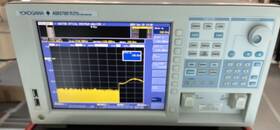
( Brand: Yokogawa ), ( Manufacturer Part Number: AQ6370D ), ( Model: YOKOGAWA AQ6370D )
Review YOKOGAWA Optical Spectrum Analyzer
Yokogawa AQ6370D Optical Spectrum Analyzer - Precision and Versatility in One Compact Instrument
The Yokogawa AQ6370D Optical Spectrum Analyzer (OSA) stands as a testament to the fusion of technological innovation and practical application in the field of optical measurement. This powerful instrument is designed to deliver unparalleled precision, flexibility, and efficiency in your research, development, or production environment.
At its core, the AQ6370D is an optical spectrum analyzer that offers a wide dynamic range of up to 70 dB, ensuring accurate measurements even in complex optical signal scenarios. With its advanced spectral resolution of 0.03 nm (typical), it can dissect the minutest details of light spectra, making it an ideal tool for applications ranging from telecommunications to photovoltaics, and from fiber optics sensing to laser characterization.
The AQ6370D boasts a user-friendly interface that simplifies operation for both novice and experienced users. Its high-resolution touchscreen display provides clear and intuitive access to all essential functions, while the built-in measurement sequence function enables automated, repeatable, and efficient data acquisition.
In terms of connectivity, the AQ6370D offers a range of options, including USB, LAN, and GPIB interfaces, allowing seamless integration with various data acquisition systems and computers. Furthermore, its compact and lightweight design, combined with an optional battery pack, makes it highly portable for on-site measurements.
Safety is another key consideration in the design of the AQ6370D. It features a built-in safety interlock and key switch to prevent accidental operation, ensuring a safe working environment for users.
In conclusion, the Yokogawa AQ6370D Optical Spectrum Analyzer is a versatile and powerful tool that offers the precision, flexibility, and user-friendliness required for a wide range of optical measurement applications. Whether you're a researcher, engineer, or technician, the AQ6370D is an indispensable partner in your quest for optical excellence.
The Yokogawa AQ6370D Optical Spectrum Analyzer is a high-performance instrument used for analyzing the spectral characteristics of optical signals. Let's look at some pros and cons to help you make an informed decision:
Pros:1. High Resolution: The AQ6370D offers a high resolution of 0.03 nm, which allows for precise measurements and analysis of optical signals.
2. Wide Measurement Range: It can measure optical signals from 1250 nm to 1650 nm, making it suitable for a wide range of applications in telecommunications, R&D, and other fields.
3. High Stability: The instrument's built-in temperature control and vibration isolation systems ensure high stability and accuracy in measurements.
4. User-friendly Interface: The AQ6370D features an intuitive touch screen interface, making it easy to navigate and operate.
Cons:1. High Cost: The Yokogawa AQ6370D is a high-end instrument, and its price reflects its advanced features. This might be a disadvantage for those on a tight budget.
2. Requires Expertise: Operating this instrument effectively requires a good understanding of optical spectrum analysis, which may be a challenge for beginners.
3. Size and Weight: The AQ6370D is a relatively large and heavy instrument, which can make it difficult to transport for field work.
In conclusion, the Yokogawa AQ6370D Optical Spectrum Analyzer is a high-performance instrument suitable for a wide range of applications. Its high resolution, wide measurement range, and user-friendly interface are significant advantages. However, its high cost, requirement for expertise, and size and weight may be disadvantages for some users.
Recommendation: If you require precise optical spectrum analysis and have the budget for it, the Yokogawa AQ6370D could be a valuable addition to your lab. However, if you are a beginner or have limited budget, you might want to consider more affordable options with similar features. Always ensure to research and compare other available options before making a purchase.
Details:
Fast and free shipping.
part #: aq6370d prices
- $18.08-$49.99
specifications automationjack:
- brand: Yokogawa
- mpn: Aq6370d
- model: Yokogawa Aq6370d
shipping automationjack:
- service: USPS Ground Advantage
- carrier: USPS
- transit: 4-10 Days
- type: Calculated
- class: Standard
- cost: $0.00
offer automationjack:
- options: Ship-to-home
- best offers: True
- started: December 27, 2025
- quantity: 1
- availability: In Stock
- sold: 0
seller automationjack:
- # reviews: 542
- city: San Mateo, California
- rating: 98.1%
general automationjack:
- Business Industrial > Industrial Automation Motion Controls > Other Automation Equipment
- condition: Used
returns automationjack:
- policy: No Returns
payments automationjack:
- wallet: Apple-pay
- other
- wire transfer
- credit card: Discover
Yokogawa AQ6370D Is Similar To:
- Yokogawa Za8c Used Exa Oxy Zirconia Oxygen Analyzer (49.5% similar) Facilities and considered either new old stock, used or refurbished by a third party. Used Yokogawa exam ox zircon oxygen analyzer ZA8C. Shelving number 1E3...(October 25th, 2024)