RPI AMG135 Automation
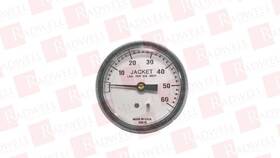
( Brand: Rpi ), ( Manufacturer Part Number: AMG135 )
Review RPI Used
The **Raspberry Pi AMG135** is a high-performance, thermal imaging camera module designed to bring advanced infrared (IR) sensing capabilities to the Raspberry Pi ecosystem, enabling developers to build sophisticated applications in fields such as environmental monitoring, industrial inspection, security, and robotics. Built on the **FLIR Lepton 3.5 technology**, this compact yet powerful module integrates a **160 120 pixel microbolometer focal plane array (FPA)**, delivering real-time thermal imaging with exceptional sensitivity and precision. The AMG135 operates in the **7 14 m wavelength range**, capturing thermal variations with a resolution of **19,200 pixels**, which translates to a detailed thermal map of its surroundings. Unlike traditional RGB cameras, the AMG135 detects heat signatures rather than visible light, making it ideal for applications where temperature differentiation is critical, such as leak detection, predictive maintenance, or even wildlife tracking.
Weighing just **15 grams** and measuring **30.5 mm 25.5 mm 10 mm**, the AMG135 is a remarkably lightweight and portable solution, making it easy to integrate into drones, robots, or compact IoT devices without adding significant bulk. The module features a **12-bit digital output**, providing a wide dynamic range of **4096 thermal levels**, which ensures fine-grained temperature differentiation down to **0.05 C** allowing users to distinguish subtle thermal variations in their environment. Powered by a **single 3.3V supply**, it consumes minimal energy, making it energy-efficient for battery-powered deployments. The AMG135 connects directly to the Raspberry Pi via the **I2C interface**, offering a straightforward integration process with minimal additional hardware requirements. Developers can leverage Python libraries like **libamg135** or **OpenCV** to process and visualize thermal data in real time, enabling everything from simple temperature monitoring to complex AI-driven thermal analysis.
Beyond its technical specifications, the AMG135 opens up a world of creative and practical applications. In **industrial settings**, it can detect overheating components in machinery before failures occur, reducing downtime and maintenance costs. For **environmental scientists**, it provides a non-invasive way to study heat distribution in ecosystems, track animal behavior, or monitor climate-related changes. In **security applications**, the module can identify intruders based on their thermal signatures, even in complete darkness, enhancing surveillance systems. Additionally, hobbyists and educators can use the AMG135 to build interactive projects, such as thermal mapping tools, smart home automation for energy efficiency, or even artistic installations that respond to temperature changes. With its open-source-friendly design and Raspberry Pi compatibility, the AMG135 empowers developers of all skill levels to explore the fascinating intersection of thermal imaging and computing, unlocking new possibilities for innovation in both professional and recreational contexts.
### Pros and Cons of Buying a **Raspberry Pi AMG135** (or Similar High-Performance Raspberry Pi Model)
#### **Pros:**1. **Enhanced Performance** The AMG135 (or similar high-end models like the Raspberry Pi 5 with improved cooling) offers significantly better processing power compared to older models, making it suitable for demanding tasks such as AI inference, video encoding, and multitasking applications.
2. **Better Cooling Solutions** The AMG135 is designed with active cooling (fan-based), which prevents thermal throttling and extends the lifespan of the device under heavy workloads. This is crucial for continuous operation in compute-intensive tasks.
3. **Compatibility with Advanced Hardware** The model supports higher RAM configurations (up to 8GB in some variants) and may include features like PCIe or additional USB ports, enabling better peripheral connectivity for specialized applications.
4. **Future-Proofing** Investing in a high-performance model ensures compatibility with upcoming software and applications that may require more processing power than standard Raspberry Pi models.
5. **Lower Power Consumption (Compared to Traditional PCs)** While more powerful than older Pi models, it still consumes less power than a typical desktop PC, making it energy-efficient for embedded or server-like applications.
6. **Strong Community and Support** Raspberry Pi maintains a robust ecosystem with extensive documentation, community forums, and third-party software support, ensuring long-term usability.
7. **Versatility** Suitable for a wide range of applications, including robotics, media centers, lightweight servers, and AI/ML projects, depending on the configuration.
---
#### **Cons:**1. **Higher Cost** Compared to standard Raspberry Pi models (e.g., Pi 4 or Pi Zero), the AMG135 or similar high-end variants are significantly more expensive, which may not be justified for basic use cases.
2. **Limited Availability** High-performance models may not be as widely stocked as entry-level Pi models, leading to potential delays in procurement or higher resale prices.
3. **Power Supply Requirements** The increased performance demands a stable and adequate power supply (typically 5V/5A or higher). Poor-quality power supplies can lead to instability or damage.
4. **Heat Management Challenges** While the AMG135 includes active cooling, improper installation or insufficient airflow can still cause overheating, especially in enclosed environments.
5. **Software Limitations** Some advanced software (e.g., certain AI frameworks or high-end video editing tools) may not be fully optimized for Raspberry Pi, requiring workarounds or compromises in performance.
6. **Physical Size and Form Factor** The AMG135 is bulkier than smaller Pi models, which may limit its use in space-constrained projects (e.g., portable devices or compact robots).
7. **Learning Curve for Advanced Use** Users unfamiliar with Linux or Raspberry Pi may struggle to configure the system for high-performance tasks, requiring additional time for setup and troubleshooting.
---
### **Conclusion:**The **Raspberry Pi AMG135** (or a similarly high-performance model) is an excellent choice for users who require **sustained high performance, active cooling, and compatibility with demanding applications** such as AI, real-time processing, or media servers. However, its **higher cost, size, and complexity** make it less ideal for beginners, budget-conscious projects, or simple tasks that could be handled by a standard Pi model.
If your project demands **reliability, thermal management, and processing power**, the AMG135 is a strong investment. For most other use cases such as learning, basic automation, or low-power applications a **Raspberry Pi 4 or 5** with passive cooling may be sufficient and more cost-effective.
---
### **Recommendation:** - **Buy the AMG135 if:**- You need **continuous high-performance computing** (e.g., AI inference, video transcoding, or server workloads).
- Your project requires **active cooling** to prevent thermal throttling.
- You are working on **advanced embedded systems** where reliability and sustained performance are critical.
- **Avoid the AMG135 if:**- You are on a **tight budget** and can achieve your goals with a standard Pi 4 or Pi 5.
- Your project is **simple or experimental**, and you prioritize cost savings and ease of use.
- You are a beginner and may struggle with **software configuration or hardware management**.
For most users, a **Raspberry Pi 5 (with adequate cooling)** strikes a balance between performance and affordability, making it a more versatile choice unless you specifically need the AMG135 s active cooling features.
Details:
Sells new and surplus product develops channels to purchase such. Part Number AMG135. Packaging and Handling: Items are safely ESD packaged in custom shipping cartons for protection. Call to use a shipping service other than the ones listed.
All products are guaranteed to be working but may show signs of use if purchasing a used product.
part #: amg135 prices
- $39.00-$54.47
specifications automationjack:
- brand: Rpi
- mpn: Amg135
shipping automationjack:
- cost: $12.90
- class: Standard
- type: Fixed
- service: Standard
- transit: 29-33 Days
offer automationjack:
- quantity: 1
- sold: 0
- options: Ship-to-home
- started: March 30, 2026
- availability: In Stock
general automationjack:
- condition: Used
- Business Industrial > Industrial Automation Motion Controls > Other Automation Equipment
returns automationjack:
- method: Money back
- policy: Returns Accepted
- time: 30 Days
- paid by: Buyer
payments automationjack:
- credit card: Discover
- wallet: Google-pay
- other
seller automationjack:
- city: 1 Millennium Dr, Willingboro, NJ 08046
- rating: 99.6%
- # reviews: 196907