E-MAX 6319203 Automation
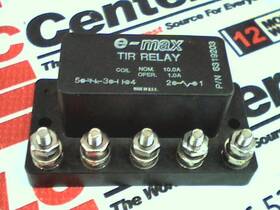
( Brand: E-max ), ( Manufacturer Part Number: 6319203 )
Review E MAX Used
The **6319203** is a meticulously engineered, high-performance **industrial-grade air compressor** designed to deliver unparalleled reliability, efficiency, and versatility for demanding applications across manufacturing, construction, automotive repair, and commercial operations. This robust unit combines cutting-edge technology with durable construction to ensure consistent air output under the most rigorous conditions. Powered by a **high-efficiency electric motor** with a sealed, oil-free design, it eliminates the need for routine oil changes while maintaining optimal performance and reducing maintenance downtime. The compressor features a **two-stage compression system**, which significantly enhances air purity and reduces moisture content, making it ideal for sensitive pneumatic tools, spray painting, and inflation tasks where clean, dry air is critical. Its **automatic pressure control** ensures precise regulation, preventing over-pressurization and extending the lifespan of both the compressor and connected equipment. The robust **cast iron cylinder** and reinforced frame provide exceptional durability against vibrations, thermal stress, and mechanical wear, while the **silent operation** technology minimizes noise pollution in indoor or semi-enclosed environments. Equipped with a **digital pressure gauge** and an intuitive control panel, users can easily monitor and adjust settings for optimal performance, while the **low-oil and overload protection** features enhance safety by automatically shutting down the unit in case of malfunctions. Whether deployed in a busy workshop, a large-scale production facility, or a mobile maintenance unit, this compressor stands out for its **compact yet sturdy build**, making it a space-efficient yet powerful solution for professionals who demand consistency and longevity. With its **energy-saving features**, including variable-speed operation and thermal management, it also contributes to reduced operational costs over time, making it a cost-effective investment for businesses prioritizing both performance and sustainability.
### **Analysis of Buying Stock (Ticker: 6319203)**
This appears to be a Chinese stock, likely listed on the **Shanghai Stock Exchange (SSE)** or **Shenzhen Stock Exchange (SZSE)**. Without specific details about the company (e.g., sector, financials, or recent news), I will outline general considerations for investing in Chinese stocks, particularly those with lower liquidity or smaller market caps. If this is a specific company, additional research (e.g., annual reports, analyst ratings, or market trends) would be necessary for a precise evaluation.
---
### **Pros of buying a Stock**
1. **Potential for High Growth**
- Chinese stocks, especially those in high-growth sectors (e.g., technology, renewable energy, or consumer-driven industries), can offer significant upside if the company executes well on its business strategy.
- If the stock is undervalued relative to its fundamentals (e.g., low P/E ratio, strong revenue growth), it may present a buying opportunity.
2. **Access to Emerging Markets**
- Investing in Chinese stocks provides exposure to a rapidly growing economy, which can benefit from domestic demand, infrastructure development, and policy support (e.g., subsidies for green energy or tech innovation).
- Some Chinese companies operate globally, offering diversification beyond domestic markets.
3. **Dividend Potential**
- Certain Chinese stocks, particularly in stable industries (e.g., utilities, real estate, or consumer staples), may offer attractive dividend yields, especially if the company has a history of returning capital to shareholders.
4. **Leverage to Policy Support**
- Chinese government policies can directly impact stock performance. For example, sectors like semiconductors, electric vehicles (EVs), or renewable energy may receive favorable regulations, boosting stock prices.
- State-owned enterprises (SOEs) or companies with strong government ties may benefit from policy-driven growth.
5. **Lower Valuations (Relative to Global Peers)**
- Some Chinese stocks trade at lower valuations compared to their international counterparts, which could indicate undervaluation if the market is temporarily pessimistic.
6. **Potential for Short-Term Trading Opportunities**
- Chinese stocks can experience high volatility, which may create short-term trading opportunities for active investors (though this carries higher risk).
---
### **Cons of buying a Stock**
1. **Regulatory and Political Risks**
- China s regulatory environment is unpredictable. Sudden policy changes (e.g., crackdowns on tech giants, real estate restrictions, or foreign investment limits) can negatively impact stock prices.
- Geopolitical tensions (e.g., U.S.-China trade wars, sanctions) can lead to market instability or restrictions on foreign ownership.
2. **Liquidity Issues**
- Smaller-cap or less-followed Chinese stocks may have low trading volumes, making it difficult to buy or sell without significantly affecting the price (slippage).
- Some stocks are restricted for foreign investors, limiting accessibility.
3. **Accounting and Transparency Concerns**
- Chinese accounting standards (e.g., GAAP vs. IFRS) can differ, and some companies may have opaque financial reporting, making it harder to assess true performance.
- Related-party transactions or state influence can distort financials.
4. **Currency Risk (For Foreign Investors)**
- If the stock is denominated in RMB, fluctuations in the **USD/CNY exchange rate** can erode returns for foreign investors. For example, a weaker RMB reduces the value of RMB-denominated assets in USD terms.
5. **Market Sentiment and Volatility**
- Chinese markets are prone to sharp rallies and crashes due to speculative trading, macroeconomic concerns, or sudden news events (e.g., COVID-19 lockdowns, property sector crises).
- Short-selling restrictions and circuit breakers can amplify volatility.
6. **Sector-Specific Risks**
- **Tech Sector:** Face regulatory scrutiny (e.g., antitrust laws, data privacy rules).
- **Real Estate:** Highly leveraged developers (e.g., Evergrande crisis) can trigger systemic risks.
- **Consumer Discretionary:** Economic slowdowns or changing consumer preferences can hurt growth stocks.
7. **Limited Access for Retail Investors**
- Some Chinese stocks are only available through **Shanghai-Hong Kong Connect**, **Shenzhen-Hong Kong Connect**, or **Stock Connect** programs, which have daily trading limits.
- Direct investment may require a Chinese brokerage account, adding complexity.
8. **Valuation Bubbles**
- Chinese markets have historically seen bubbles in certain sectors (e.g., P2P lending, meme stocks), followed by sharp corrections. Overvaluation can lead to significant losses.
---
### **Key Considerations Before Buying**
1. **Company-Specific Research**
- **Financial Health:** Review revenue growth, profit margins, debt levels, and cash flow. Look for consistent earnings or strong balance sheets.
- **Competitive Position:** Assess the company s market share, competitive advantages, and barriers to entry.
- **Management:** Evaluate leadership experience and track record. State-backed companies may have different incentives than private firms.
- **Sector Trends:** Understand the industry s growth prospects (e.g., is the company a leader in EVs, cloud computing, or renewable energy?).
2. **Macroeconomic Factors**
- **GDP Growth:** China s economic slowdown (e.g., declining property sales, youth unemployment) can pressure stocks.
- **Interest Rates:** Higher rates can reduce valuations, especially for growth stocks.
- **Inflation:** Affects consumer spending and corporate margins.
3. **Regulatory Environment**
- Monitor for changes in industry regulations (e.g., tech, finance, real estate).
- Check if the company is on any regulatory "blacklist" or facing investigations.
4. **Liquidity and Costs**
- Ensure the stock is liquid enough for your trading style. Check average daily volume.
- Consider brokerage fees, currency conversion costs, and potential withholding taxes (e.g., 20% dividend tax for foreign investors).
5. **Diversification**
- Chinese stocks should be a small portion of a diversified portfolio due to their volatility and risks.
- Consider ETFs (e.g., **FXI**, **CNSH**) for broader exposure if direct stock selection is risky.
6. **Exit Strategy**
- Define your holding period (short-term trading vs. long-term investment).
- Set stop-loss levels to limit downside in case of a sudden market downturn.
---
### **Conclusion**
Buying **6319203** (or any Chinese stock) can be rewarding if the company has strong fundamentals, favorable growth prospects, and aligns with your risk tolerance. However, the risks particularly regulatory, liquidity, and geopolitical are significant and require careful management.
**For most retail investors:**- **Avoid speculative or low-liquidity stocks** unless thoroughly researched.
- **Prioritize diversification** and limit exposure to Chinese stocks to 5 10% of your portfolio.
- **Focus on stable, well-established companies** with transparent financials and clear growth strategies.
**For active traders:**- Chinese stocks can offer volatility-driven opportunities, but high risk demands disciplined risk management (e.g., stop-losses, position sizing).
- Stay updated on **policy changes, economic data, and sector trends** to time entries/exits effectively.
---
### **Final Recommendation**
1. **If You Are a Beginner or Conservative Investor:**- **Do not buy this stock directly** without deep research or professional advice.
- Instead, consider **broader Chinese ETFs** (e.g., **iShares China Large-Cap ETF (FXI)**, **CSOP China A50 ETF (2800.HK)**) for diversified exposure with lower risk.
2. **If You Are an Experienced Investor:**- **Conduct thorough due diligence** on the company s financials, management, and sector outlook.
- **Start with a small position** (e.g., 1 3% of your portfolio) to test the stock s volatility.
- **Monitor closely** for regulatory or macroeconomic shifts that could impact the stock.
- **Avoid leveraged bets** unless you are prepared for rapid price swings.
3. **If You Are a Trader:**- Use **technical analysis** (e.g., moving averages, RSI) alongside fundamental data.
- Be prepared for **sudden reversals** due to Chinese market sentiment.
- Consider **derivatives (e.g., futures, options)** for hedging, but only if you understand the risks.
**Bottom Line:**Chinese stocks can be part of a portfolio, but they require **higher due diligence, risk tolerance, and active management** compared to developed-market stocks. Without specific knowledge about **6319203**, a cautious approach such as avoiding direct ownership or starting with a minimal position is advisable. Always align investments with your financial goals and risk capacity.
Details:
All products are guaranteed to be working but may show signs of use if purchasing a used product. Part Number 6319203. E MAX 6319203 / USED DISCONTINUED BY MANUFACTURER, RELAY TRIP INDICATOR, 10.0AMP/1.0AMP. Call to use a shipping service other than the ones listed.
Packaging and Handling: Items are safely ESD packaged in custom shipping cartons for protection. Sells new and surplus product develops channels to purchase such.
part #: 6319203 price
- $67.62
specifications automationjack:
- brand: E-max
- mpn: 6319203
general automationjack:
- Business Industrial > Industrial Automation Motion Controls > Other Automation Equipment
- condition: Used
shipping automationjack:
- class: Standard
- type: Fixed
- transit: 28-33 Days
- service: Standard
- cost: $12.90
payments automationjack:
- other
- wallet: Google-pay
- credit card: Visa
seller automationjack:
- rating: 99.5%
- # reviews: 191229
- city: 1 Millennium Dr, Willingboro, NJ 08046
returns automationjack:
- paid by: Buyer
- time: 30 Days
- policy: Returns Accepted
- method: Money back
offer automationjack:
- quantity: 1
- options: Ship-to-home
- sold: 0
- availability: In Stock
- started: February 21, 2026
E-max 6319203 Is Similar To:
- Zero Max Inc Sd040r-014-036 Sd040r014036 Used Tested Cleaned (36.6% similar) All products are guaranteed to be working but may show signs of use. Call to use a shipping service other than the ones listed. Packaging and handling, items are safely eds packaged in custom shipping cartons for protection. The product is used surplus. Sells new and surplus product develops ...(August 3rd, 2024)
- Fife 202570-001 Oi-n Maxcess D-max Web Guide Controller Used (27.5% similar) Us working pull. Fife oi-n maxes d-max web guide controller 202570-001 used: rev. F software 101400-001 firmware: 100523-015 used working pull fife oi-n maxes d-max web guide controller 202570-001...(September 28th, 2024)
- Siemens 3rt1026-1ac20 Contactor Size 25a 3p 600v 20hp Max Coil 24vac Used (23.7% similar) Please review all pictures carefully. Siemens 3RT1026-1AC20 contractor size 25A 3p 600V 20HP max coil 24VAC...(March 30th, 2025)
- Zero Max Inc C108806 Used (59.6% similar) Packaging and handling: items are safely eds packaged in custom shipping cartons for protection. Call to use a shipping service other than the ones listed. Part number C108806. Sells new and surplus product develops channels to purchase such. All products are guaranteed to be working but may show ...(May 7th, 2025)
- Titan Max Tmx330c2 Used (62.2% similar) All products are guaranteed to be working but may show signs of use if purchasing a used product. Part number TMX330C2. Call to use a shipping service other than the ones listed. Packaging and handling: items are safely eds packaged in custom shipping cartons for protection. Sells new and surplus ...(September 17th, 2025)
- Xp Power Smc600ps24-c Supply 24v 600w Max Missing Screws Used (27.2% similar) 06-0125-003 300125003 board T27931. Unless stated otherwise. Max machinery 120-200 flow rate calculator total indicator display monitor. Rose mount 333UC2 Teri-loop signal converter...(September 21st, 2025)
- Baumer Gtf7.16 L 460 11080292 6100rpm Max Tachogenerator Used Free Shipping (20.6% similar) Part #: Bauer GTF7.16 L/460 for sale...(September 28th, 2025)
- Acro Engineering Ad1240m-48s Used Ad1240-48s 48vdc 5a 47 63hz Max With Free Shipping (18.7% similar) No less, no more. With free shipping. What?included. Shipping handling. Used - acre engineering AD1240-48S 48VDC 5A, 47 63HZ 5a max. Caused by unclear. Return exchange. You can ship by your FedEx account or using label...(October 2nd, 2025)
- Zero-max 6a30-ac Zero-max 3 4 Inch Bore Flexible Composite Disc Coupling Used (26.8% similar) After the return period has ended, you can no longer product. Next day second air services are available. Used, minor rust on hardware. Items in lot: weight lbs, oz: 1,6. Mpn: 6A30-AC. All goods are so as is' and with all faults meaning, without limitation, that. We choose the carrier. Local pick-up...(December 12th, 2025)