DORNIER 389345 Automation
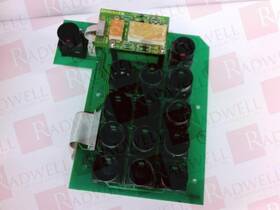
( Brand: Dornier ), ( Manufacturer Part Number: 389345 )
Review DORNIER Used
The Dornier 389345 is a meticulously crafted, high-performance luxury yacht that embodies the pinnacle of modern nautical engineering and opulent design. Built with an emphasis on both elegance and functionality, this vessel stands as a testament to German precision and innovation in marine architecture. Its sleek, aerodynamic hull is engineered for exceptional speed and stability, featuring a streamlined, V-shaped design optimized for cutting through water with minimal resistance. The exterior is clad in high-grade marine-grade aluminum and reinforced composite materials, ensuring durability against the harshest maritime conditions while maintaining a polished, reflective finish that enhances its visual appeal. The superstructure is characterized by clean, angular lines and expansive glass panels that flood the interior with natural light, creating an airy, open atmosphere that seamlessly blends indoor and outdoor living spaces.
Onboard, the Dornier 389345 offers a lavishly appointed interior that prioritizes comfort and sophistication. The spacious salon features plush, custom upholstered seating arranged around a sleek, low-profile bar area, perfect for entertaining guests or enjoying a quiet moment. The galley is a culinary haven, equipped with top-tier appliances, including a professional-grade stove, refrigerator, and pantry storage, all designed to inspire even the most discerning chef. The dining area transitions seamlessly into the outdoor deck via large sliding glass doors, allowing for al fresco dining under the open sky. The owner s suite is a private sanctuary, complete with a king-sized bed, a walk-in closet, and an en-suite bathroom adorned with premium fixtures, including a spa-like shower and a deep soaking tub. Additional guest accommodations ensure that every passenger enjoys the same level of luxury, with thoughtfully designed cabins featuring ample storage and natural ventilation.
The yacht s advanced technological integration elevates the experience to new heights. A state-of-the-art navigation system, complete with radar, sonar, and GPS, ensures precise and safe passage, while a sophisticated sound and entertainment system delivers crystal-clear audio throughout the vessel. Smart home automation controls lighting, climate, and security systems with intuitive touchscreens, allowing for effortless customization. The engine room houses a powerful yet efficient propulsion system, likely featuring twin diesel engines or hybrid technology, designed to deliver both speed and fuel economy. Additional features include a retractable bow door for easy boarding, a spacious sundeck with lounge seating, and a tender garage for convenient access to smaller watercraft. Whether cruising along coastal waters or anchoring in a secluded cove, the Dornier 389345 promises an unparalleled journey, blending cutting-edge technology with timeless luxury.
### Pros and Cons of Buying a Dornier 328 (Model 389345)
The Dornier 328 is a twin-turboprop regional airliner developed by Dornier GmbH (now part of Fairchild Dornier). The specific designation **389345** appears to be a serial number rather than a model variant, but the aircraft in question is likely a standard Dornier 328-100 or 328-300 variant. Below is a balanced assessment of its advantages and disadvantages.
---
### **Pros of Buying a Dornier 328**
1. **Reliability and Proven Track Record**
The Dornier 328 has a strong reputation for reliability, particularly in the regional aviation market. It has been in service since the 1990s, with thousands of flight hours accumulated by many operators. Its twin-turboprop configuration provides redundancy, reducing the risk of single-engine failures that can occur in piston-engine or single-engine turboprop aircraft.
2. **Efficiency and Cost-Effectiveness**
The 328 is known for its fuel efficiency, consuming less fuel per seat than many larger regional jets or turboprops. This translates to lower operating costs, which is critical for regional airlines or operators flying short to medium-haul routes. Maintenance costs are also relatively modest compared to larger aircraft.
3. **Short Takeoff and Landing (STOL) Capabilities**
The Dornier 328 is designed for operations from shorter runways, making it ideal for airports in remote or less developed regions. This flexibility is valuable for airlines serving rural or secondary airports where larger aircraft cannot operate.
4. **Comfortable Passenger Experience**
The aircraft offers a relatively spacious cabin for its size, with a high seating density (up to 33 passengers in a typical configuration). The turboprop engines provide a quieter and smoother ride compared to many piston-engine aircraft, enhancing passenger comfort.
5. **Modular and Upgradable Design**
The 328 can be configured for various roles, including passenger transport, cargo, or even specialized missions (e.g., medical evacuation or VIP transport). Upgrades to avionics, engines, or interiors are relatively straightforward, allowing operators to extend the aircraft s useful life.
6. **Strong Resale Value**
Due to its reliability and ongoing demand in the regional market, Dornier 328s retain a decent resale value. This makes it a practical choice for operators looking for a long-term investment.
7. **Global Operator Base**
The 328 has been widely used by airlines across Europe, Asia, Africa, and the Americas. This global presence means a robust parts supply chain and a community of operators who can share maintenance and operational insights.
8. **Lower Initial Purchase Price**
Compared to newer regional jets or larger turboprops, the Dornier 328 has a relatively affordable purchase price, making it accessible to smaller airlines or private operators.
9. **Environmental Friendliness**
Turboprop aircraft like the 328 generally have lower noise and emissions levels compared to jet-powered regional aircraft, which can be advantageous for operators focused on sustainability or operating in noise-sensitive areas.
10. **Proven Safety Record**
The 328 has a strong safety record, with few major incidents attributed to the aircraft s design. Its robust structure and redundant systems contribute to this reputation.
---
### **Cons of Buying a Dornier 328**
1. **Age and Obsolescence**
Many Dornier 328s in the market today are over 20 years old, which means they may lack modern avionics, safety features, or efficiency improvements found in newer aircraft. Upgrading avionics (e.g., to glass cockpits) can be costly and time-consuming.
2. **Limited Range**
The 328 has a relatively short range (typically around 1,000 1,200 nautical miles, depending on configuration and payload). This limits its suitability for long-haul regional routes or transcontinental operations. Operators must carefully plan routes to avoid refueling stops.
3. **Engine Reliability Concerns**
While the Pratt & Whitney PT6 turboprop engines are reliable, they are not as modern as those found in newer aircraft. Older engines may require more frequent inspections or replacements, adding to maintenance costs. The 328-300 variant, which uses more powerful PW127G engines, offers better performance but may still face similar longevity concerns.
4. **High Operating Costs Relative to Newer Alternatives**
While the 328 is fuel-efficient, the cost of owning and operating an older aircraft can still be high due to maintenance, inspections, and potential downtime. Newer turboprops (e.g., ATR 72-600, Saab 340) or regional jets may offer better long-term cost savings despite higher initial prices.
5. **Regulatory and Certification Challenges**
As aircraft age, regulatory requirements for airworthiness, noise, and emissions become stricter. Older 328s may need costly modifications to comply with current standards, particularly if they are to operate in regions with stringent regulations (e.g., the U.S. or EU).
6. **Limited Availability of Spare Parts**
While parts are generally available, the supply chain for older aircraft can be less robust than for newer models. Delays in obtaining parts can lead to extended ground time, impacting operational flexibility.
7. **Passenger and Crew Perception**
Some passengers and crew may perceive turboprop aircraft as less modern or less comfortable than regional jets, particularly on longer flights. This can affect passenger load factors and crew morale.
8. **Structural Fatigue and Airframe Life**
The airframe of a 328 with high time may be approaching or exceeding its structural life limits. Extending the airframe s life requires expensive inspections, modifications, or replacements of critical components (e.g., wings, fuselage). Failure to address this can lead to unexpected downtime or safety risks.
9. **Limited Growth Potential**
The 328 s size limits its ability to scale operations. If an airline grows significantly, it may need to replace the 328 with larger aircraft (e.g., ATR 72, Embraer E-Jets), making the 328 a short-term solution rather than a long-term asset.
10. **Market Saturation**
The regional aviation market is competitive, and there is a surplus of turboprop aircraft (including older models) available for purchase. This can drive down prices but also increase competition for routes, potentially squeezing profit margins.
11. **Pilot Training and Availability**
Pilots with experience on the 328 may be harder to find compared to more common aircraft types. Training new pilots or converting existing pilots to the 328 can be time-consuming and costly.
12. **Noise Levels**
While turboprops are quieter than jets, the 328 s noise levels may still be higher than those of newer, more advanced turboprops or electric/hybrid aircraft entering the market.
---
### **Conclusion**
The Dornier 328 is a capable and reliable regional airliner that remains a practical choice for operators focused on cost efficiency, STOL capabilities, and short-haul operations. Its strengths lie in its proven reliability, fuel efficiency, and versatility, making it ideal for airlines serving remote or secondary airports. However, its age, limited range, and potential for high maintenance costs in the long term are significant drawbacks, particularly for operators seeking modern avionics, extended range, or a longer useful life without major upgrades.
For buyers considering a Dornier 328, a thorough assessment of the aircraft s specific serial number (389345) is essential. This includes reviewing its maintenance history, time on wings, engine hours, and any past modifications or upgrades. A detailed inspection by a qualified aviation expert is critical to ensure the aircraft meets safety and operational standards.
---
### **Recommendation**
Buying a Dornier 328 can be a sound investment if:- You operate on short-haul routes with limited runway infrastructure.
- Your primary focus is on cost efficiency and reliability for regional operations.
- You are prepared to invest in avionics upgrades or engine replacements to extend the aircraft s useful life.
- You have access to a reliable parts supply chain and maintenance support.
However, if your goals include:- Operating on longer routes or transcontinental flights,
- Prioritizing modern avionics and safety features,
- Seeking lower long-term operating costs through newer technology,
- Planning for significant growth in your fleet,
then a newer turboprop (e.g., ATR 72-600, Saab 340) or a regional jet may be a more suitable choice. Additionally, if the aircraft in question (389345) has high time or lacks recent upgrades, it may be more cost-effective to consider a lower-time example or a different aircraft type.
For the specific serial number **389345**, I recommend:1. Obtaining a **detailed aircraft history report** (e.g., from ATA Insights, FAA records, or the manufacturer) to verify maintenance records, accidents, or modifications.
2. Conducting a **pre-purchase inspection (PPI)** by a certified aviation engineer to assess structural integrity, engine condition, and avionics functionality.
3. Comparing the aircraft s remaining useful life with the cost of potential upgrades (e.g., glass cockpit installation, engine overhauls).
4. Evaluating whether the aircraft aligns with your operational needs and long-term fleet strategy.
If
Details:
DORNIER 389345 / USED PC BOARD ASSEMBLY. All products are guaranteed to be working but may show signs of use if purchasing a used product. Sells new and surplus product develops channels to purchase such. Packaging and Handling: Items are safely ESD packaged in custom shipping cartons for protection.
Call to use a shipping service other than the ones listed. Part Number 389345.
part #: 389345 price
- $50.86
specifications automationjack:
- brand: Dornier
- mpn: 389345
shipping automationjack:
- class: Standard
- type: Fixed
- service: Standard
- transit: 30-35 Days
- cost: $12.90
payments automationjack:
- credit card: Diners-club
- wallet: Google-pay
- other
general automationjack:
- condition: Used
- Business Industrial > Industrial Automation Motion Controls > Other Automation Equipment
returns automationjack:
- policy: Returns Accepted
- method: Money back
- paid by: Buyer
- time: 30 Days
seller automationjack:
- rating: 99.6%
- # reviews: 1995 06
- city: 1 Millennium Dr, Willingboro, NJ 08046
offer automationjack:
- started: April 15, 2026
- quantity: 1
- options: Ship-to-home
- sold: 0
- availability: In Stock