TAC 331055 Schneider Electric
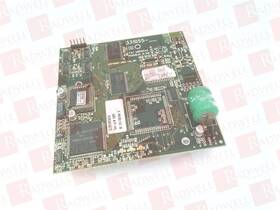
( Brand: Tac ), ( Manufacturer Part Number: 331055 )
Review TAC Schneider Electric Used
The **Schneider Electric 331055** is a high-performance, modular **Telemecanique 90-30 Series** contactor, designed to deliver reliable and efficient electrical switching in industrial, commercial, and automation applications. This compact yet robust device is engineered to handle demanding control circuits with precision, making it an ideal choice for applications requiring frequent switching, motor control, or protection against overloads and short circuits. The 331055 features a **3-pole design** with a **10A nominal current rating**, allowing it to manage standard control loads while maintaining compatibility with a wide range of auxiliary components, including relays, timers, and sensors. Its **modular construction** enables seamless integration into existing control panels, reducing installation time and simplifying maintenance. The contactor is equipped with **silver-plated contacts** for enhanced durability and low contact resistance, ensuring long-term reliability even under heavy-duty conditions. Additionally, it incorporates **magnetic blowout coils** on the main contacts to minimize arcing and extend contact life, particularly in applications involving inductive loads such as motors or solenoids. The 331055 also includes **auxiliary contacts** (either normally open or normally closed) for additional control signaling, providing flexibility in circuit design. Built to meet stringent industrial standards, this contactor offers **IP20 protection**, ensuring safe operation in standard environments while allowing for easy access for servicing. Its **compact footprint** and **standardized mounting dimensions** make it a space-efficient solution for crowded control panels, while its **low power consumption** contributes to energy-efficient operation. Whether used in HVAC systems, manufacturing automation, or building management, the Schneider Electric 331055 delivers consistent performance, durability, and ease of use, making it a trusted component in modern electrical control systems.
### **Pros and Cons of Buying Schneider Electric (331055) Stock**
#### **Pros**
1. **Global Industry Leader in Electrical & Automation**
Schneider Electric is a dominant player in industrial automation, energy management, and building automation. Its strong market position provides stability and recurring revenue from infrastructure projects, smart buildings, and industrial digitalization.
2. **Strong Financial Performance & Growth**
The company has demonstrated consistent revenue growth, particularly in its digitalization and automation segments. Its focus on electrification and automation aligns with long-term trends like Industry 4.0, renewable energy integration, and smart cities.
3. **Diversified Revenue Streams**
Schneider operates in multiple high-growth sectors:- **Industrial Automation** (factory automation, process control)
- **Energy Management** (smart grids, renewable energy solutions)
- **Building Automation** (HVAC, lighting, security systems)
This diversification reduces reliance on any single market and mitigates sector-specific risks.
4. **Strong Brand & Customer Loyalty**
Schneider has a long-standing reputation for reliability, innovation, and after-sales support. Many industrial and commercial clients have long-term contracts, ensuring recurring revenue.
5. **Digital Transformation & AI Integration**
The company is heavily investing in digital platforms (e.g., EcoStruxure), IoT, and AI-driven analytics. This positions it well for future growth in smart infrastructure and predictive maintenance.
6. **Dividend Yield & Shareholder Returns**
Schneider Electric has a modest but consistent dividend policy, offering income-oriented investors a steady yield. It also engages in share buybacks, which can benefit long-term shareholders.
7. **Resilience in Cyclical Markets**
While industrial sectors can be cyclical, Schneider s focus on automation and energy efficiency helps it weather downturns better than purely commodity-based competitors.
8. **Strong Balance Sheet & Financial Health**
The company maintains a solid balance sheet with manageable debt levels, providing flexibility for acquisitions and growth initiatives.
---
#### **Cons**
1. **Exposure to Industrial & Capital Spending Cycles**
Schneider s performance is tied to industrial activity, infrastructure spending, and capital expenditure by corporations. Economic slowdowns or reduced corporate capex can negatively impact demand.
2. **Competition from Tech Giants & Niche Players**
Companies like Siemens, ABB, Rockwell Automation, and even tech firms (e.g., Google, Amazon in cloud-based automation) compete in automation and digitalization. Schneider must continuously innovate to stay ahead.
3. **Regulatory & Geopolitical Risks**
As a global company, Schneider faces risks from trade policies, energy regulations, and supply chain disruptions (e.g., semiconductor shortages, geopolitical tensions affecting China/Europe).
4. **Valuation Concerns**
While Schneider is a high-quality stock, its valuation may not always reflect its growth potential, especially if investors perceive it as a "slow-growth" industrial play rather than a high-tech disruptor.
5. **Dependence on Certain Regions**
A significant portion of revenue comes from Europe and North America. Economic downturns in these regions could disproportionately affect results.
6. **Integration Challenges After Acquisitions**
Schneider has made several acquisitions (e.g., Aicoom, Exida, TeSys). Successfully integrating these businesses can be complex and may lead to short-term operational inefficiencies.
7. **Margins Under Pressure**
Like many industrial companies, Schneider faces pressure on margins due to raw material costs, labor expenses, and competition. Profitability can fluctuate based on cost management.
8. **Slow Digital Adoption in Some Markets**
While automation is growing, some traditional industries (e.g., manufacturing in emerging markets) may resist digital transformation, limiting Schneider s expansion in those segments.
---
### **Ending Conclusion**
Schneider Electric is a **high-quality, resilient industrial automation and energy management company** with strong fundamentals, diversification, and long-term growth potential. Its leadership in electrification, automation, and digitalization positions it well for the future, particularly as industries adopt smart technologies. However, investors should be mindful of cyclical risks, competitive pressures, and regional economic exposure.
For **long-term investors** seeking stability, dividends, and exposure to industrial and energy trends, Schneider Electric is a **solid buy**. It is less suited for speculative traders looking for high volatility or short-term gains.
### **Recommendation**
- **Buy for:** Investors with a **5 year horizon**, those seeking exposure to **industrial automation, smart infrastructure, and renewable energy**, and those who value **dividends and financial stability**.
- **Hold for:** Investors already in the stock who believe in Schneider s digital transformation strategy and long-term growth.
- **Avoid if:** You prefer **high-growth tech stocks** (e.g., semiconductor firms, AI-focused companies) or are uncomfortable with **industrial cyclicality**.
**Final Verdict:** Schneider Electric is a **strong core holding** for a well-diversified portfolio, especially for those aligned with its sectors. Monitor its execution in digitalization and margin stability to assess long-term performance.
Details:
Part Number 331055. Sells new and surplus product develops channels to purchase such. All products are guaranteed to be working but may show signs of use if purchasing a used product. SCHNEIDER ELECTRIC 331055 / USED DISCONTINUED BY MANUFACTURER, DOOR PROCESSING UNIT BOARD.
Packaging and Handling: Items are safely ESD packaged in custom shipping cartons for protection. Call to use a shipping service other than the ones listed.
part #: 331055 prices
- $99.00-$329.00
specifications automationjack:
- brand: Tac
- mpn: 331055
shipping automationjack:
- type: Fixed
- cost: $12.90
- transit: 31-35 Days
- class: Standard
- service: Standard
seller automationjack:
- city: 1 Millennium Dr, Willingboro, NJ 08046
- # reviews: 202303
- rating: 99.7%
offer automationjack:
- options: Ship-to-home
- started: May 3, 2026
- sold: 0
- availability: In Stock
- quantity: 1
payments automationjack:
- other
- wallet: Paypal
- credit card: Discover
general automationjack:
- condition: Used
- Business Industrial > Industrial Automation Motion Controls > Other Automation Equipment
returns automationjack:
- method: Money back
- policy: Returns Accepted
- paid by: Buyer
- time: 30 Days
Tac 331055 Is Similar To:
- Tac 330-440-1-d Schneider Electric 3304401d Used (76.7% similar) Sells new and surplus product develops channels to purchase such. Packaging and handling: items are safely eds packaged in custom shipping cartons for protection. Call to use a shipping service other than the ones listed. All products are guaranteed to be working but may show signs of use if ...(March 12th, 2026)