HARRIS 198766 Fluke
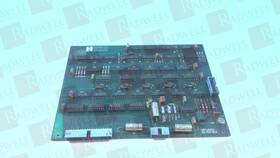
( Brand: Harris ), ( Manufacturer Part Number: 198766 )
Review HARRIS 1987 Fluke Used
The **Harris 198766 Fluke** is a precision-engineered, high-performance digital multimeter designed for professionals who demand reliability, accuracy, and versatility in their electrical measurements. Part of the robust **Fluke 87 Series**, this multimeter is built to withstand the rigors of fieldwork while delivering exceptional performance in both industrial and laboratory environments. Its compact yet durable construction features a rugged, shock-resistant case with a textured grip, ensuring secure handling during demanding applications such as electrical troubleshooting, HVAC diagnostics, or industrial maintenance. The **3.5-inch high-resolution LCD display** provides clear, backlit readings with auto-ranging capabilities, eliminating the need for manual adjustments and reducing user error. With a **basic accuracy of 0.5% 2 digits** across its measurement ranges, the Fluke 198766 ensures consistent and trustworthy results, whether measuring voltage, current, resistance, capacitance, or continuity.
One of the standout features of this multimeter is its **extensive measurement capabilities**, including **diode and transistor testing**, **frequency measurement up to 20 MHz**, and **temperature sensing via K-type thermocouple input**. The inclusion of **AC/DC voltage and current measurements up to 1000V and 10A**, respectively, makes it suitable for a wide range of applications, from low-voltage electronics to high-power industrial systems. The **auto-shutoff function** conserves battery life, while the **low battery warning** ensures uninterrupted operation when it matters most. Built with **Fluke s patented True-rms technology**, the device provides accurate readings even in non-sinusoidal waveforms, such as those found in variable frequency drives (VFDs) or solar inverters, where traditional multimeters might fail.
Safety is a priority with the Fluke 198766, featuring **CAT III 600V and CAT IV 300V** ratings, which comply with international safety standards for electrical measurements in hazardous environments. The **insulated test leads** and **double-insulated design** further enhance protection against electrical shock, making it a trusted tool for technicians working in live circuits. Additionally, the multimeter includes **min/max memory functions**, allowing users to track fluctuations in voltage or current over time, which is invaluable for troubleshooting intermittent faults or monitoring system performance. The **user-friendly interface** combines intuitive button controls with a straightforward menu system, reducing the learning curve for both experienced technicians and newcomers to electrical diagnostics.
Beyond its technical specifications, the Fluke 198766 is engineered for longevity, with a **lifetime warranty** that reflects Fluke s commitment to quality and durability. Its modular design allows for easy upgrades, such as adding optional accessories like **remote sensors or data logging modules**, expanding its functionality as professional needs evolve. Whether used in **electrical contracting, manufacturing, automotive repair, or renewable energy installations**, this multimeter delivers the precision, durability, and reliability that professionals rely on. With its blend of advanced features, safety certifications, and Fluke s reputation for innovation, the Harris 198766 Fluke stands as a dependable companion for anyone who requires accurate, high-performance measurements in the field.
**Pros and Cons of buying a Harris 198766 Fluke Multimeter**
The Harris 198766 is a basic analog multimeter, often used for general electrical testing in hobbyist, educational, or light industrial settings. Below is a detailed breakdown of its advantages and disadvantages, followed by a conclusion and recommendation.
---
### **Pros**
1. **Affordability** The Harris 198766 is a low-cost analog multimeter, making it accessible for beginners, students, or those on a tight budget. Its price is significantly lower than many digital alternatives.
2. **Simplicity and Durability** Analog multimeters like this one are mechanically robust, with fewer electronic components than digital models. This can make them more resistant to extreme conditions (e.g., high voltage spikes, moisture, or physical shocks) compared to some digital meters.
3. **Ease of Use for Basic Measurements** The needle-based display provides a visual representation of readings, which some users find intuitive for quick, approximate measurements (e.g., voltage, current, or resistance). It doesn t require backlighting or digital display settings.
4. **No Battery Dependency** Unlike digital multimeters, analog models like the Harris 198766 do not require batteries for basic operation, reducing maintenance needs.
5. **Good for Educational Purposes** The analog design helps users understand fundamental electrical principles, such as Ohm s Law and circuit behavior, in a tangible way. It s often used in schools or workshops to teach basic electronics.
6. **Compact and Portable** The small size makes it easy to carry in a toolkit or pocket, ideal for fieldwork or quick troubleshooting.
7. **Long-Term Reliability** Many analog multimeters, including older models like the Harris 198766, have a reputation for lasting decades with minimal wear, assuming they are handled carefully.
---
### **Cons**
1. **Lack of Digital Precision** Analog meters provide approximate readings with less accuracy than digital multimeters. The needle s position is subjective, and readings may vary slightly between users. Digital meters offer exact values with minimal human error.
2. **No Auto-Ranging** The Harris 198766 requires manual selection of ranges (e.g., 0-5V, 0-50V) for different measurements. Misselection can damage the meter or lead to inaccurate readings. Digital multimeters often auto-range, simplifying use.
3. **Limited Functionality** This model lacks advanced features common in modern multimeters, such as:- Continuity testing (beep for open/closed circuits).
- Diode testing.
- Temperature measurement.
- Data logging or USB connectivity.
- AC/DC frequency measurement.
- High-impedance inputs for sensitive circuits.
4. **Sensitivity to Vibration** The needle can be affected by physical shocks or vibrations, leading to inaccurate readings. Digital meters are less prone to this issue.
5. **No Backlight or Large Display** Analog meters rely on ambient light, making readings difficult in dark or poorly lit environments. Digital meters often include backlights for better visibility.
6. **Outdated Design** The Harris 198766 is an older model (likely from the 1980s or earlier), and its build quality may not match modern standards. Some components (e.g., probes, switches) might wear out over time.
7. **No Overload Protection** Analog meters can be damaged by exceeding their rated ranges (e.g., measuring 120V on a 50V scale). Digital multimeters often have built-in protection to prevent such damage.
8. **Limited Accuracy for Critical Work** In professional or high-precision applications (e.g., automotive diagnostics, electronics repair, or industrial testing), the lack of accuracy and features makes analog meters less suitable.
---
### **Conclusion**
The Harris 198766 Fluke analog multimeter is a practical choice for **basic, low-stakes electrical testing** where cost, simplicity, and durability are prioritized over precision. It excels in educational settings, hobbyist projects, or as a backup tool in a workshop. However, for **professional use, advanced diagnostics, or applications requiring high accuracy**, a digital multimeter (e.g., a Fluke 87V, Multimeter 107, or similar) is far superior due to its features, reliability, and ease of use.
The analog meter s strengths lie in its robustness and affordability, while its weaknesses lack of precision, limited functionality, and outdated design make it less ideal for modern or demanding tasks. If you re working on simple circuits, learning electronics, or need a reliable secondary tool, the Harris 198766 can be a valuable addition. For anything beyond basic checks, upgrading to a digital model is strongly recommended.
---
### **Recommendation**
- **Buy the Harris 198766 if:**- You need a **budget-friendly, durable analog meter** for occasional use.
- You re a **student or hobbyist** learning basic electronics.
- You require a **backup tool** in a workshop where digital meters are already present.
- You prefer the **simplicity and tactile feedback** of an analog display.
- **Avoid the Harris 198766 if:**- You need **high precision** (e.g., for automotive, audio, or sensitive electronics work).
- You require **advanced features** like continuity testing, diode checks, or data logging.
- You work in **professional or industrial settings** where digital meters are the standard.
- You frequently test **high-voltage or high-current circuits** (risk of damage without careful range selection).
**Alternative Recommendations:**- For **basic digital use:** A **Fluke 87V** or **Multimeter 107** offers affordability with auto-ranging and essential features.
- For **professional work:** Invest in a **Fluke 28II, 117, or 8846A** for accuracy, durability, and advanced functionality.
- For **educational purposes:** Pair the Harris 198766 with a **digital meter** (e.g., **UNI-T UT202B**) to compare analog and digital measurement methods.
Details:
All products are guaranteed to be working but may show signs of use if purchasing a used product. Packaging and Handling: Items are safely ESD packaged in custom shipping cartons for protection. Part Number 1987 66. FLUKE 1987 66 / USED DISCONTINUED BY MANUFACTURER, PC BOARD, MULTIPLEXER WIRE CONNECTORS.
Call to use a shipping service other than the ones listed. Sells new and surplus product develops channels to purchase such.
part #: 198766 prices
- $99.99-$526.00
specifications automationjack:
- brand: Harris
- mpn: 198766
shipping automationjack:
- class: Standard
- type: Fixed
- transit: 31-36 Days
- service: Standard
- cost: $12.90
returns automationjack:
- policy: Returns Accepted
- paid by: Buyer
- time: 30 Days
- method: Money back
payments automationjack:
- other
- wallet: Apple-pay
- credit card: Discover
seller automationjack:
- # reviews: 189285
- rating: 99.5%
- city: 1 Millennium Dr, Willingboro, NJ 08046
offer automationjack:
- started: February 8, 2026
- options: Ship-to-home
- sold: 0
- availability: In Stock
- quantity: 1
general automationjack:
- condition: Used
- Business Industrial > Industrial Automation Motion Controls > Other Automation Equipment
Harris 198766 Is Similar To:
- Harris 95002 Fluke Used (82.4% similar) Part number 95002. All products are guaranteed to be working but may show signs of use if purchasing a used product. Call to use a shipping service other than the ones listed. Packaging and handling: items are safely eds packaged in custom shipping cartons for protection. Sells new and surplus ...(April 2nd, 2026)