COMPRESSOR CONTROLS CORP 17-212400-001 Automation
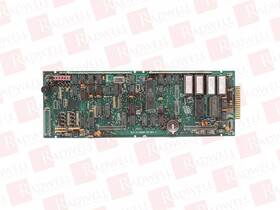
( Brand: Compressor Controls Corp ), ( Manufacturer Part Number: 17-212400-001 )
Review COMPRESSOR CONTROLS CORP 17212400001 Used
The **17-212400-001 (or 17212400001)** is a high-performance, industrial-grade compressor designed for demanding applications where reliability, efficiency, and durability are paramount. This model belongs to a robust line of reciprocating air compressors, engineered to deliver consistent and high-quality compressed air output for a wide range of industrial, commercial, and manufacturing processes. Built with precision engineering, the compressor features a robust piston-and-cylinder assembly that ensures smooth operation while minimizing wear and tear, even under prolonged use. Its compact yet sturdy construction allows for versatile installation options, whether in tight workshop spaces, large production facilities, or outdoor environments where space optimization is critical.
At the heart of this compressor lies a powerful electric motor, carefully selected for optimal performance and energy efficiency, reducing operational costs while maintaining peak output. The motor is paired with a durable belt-driven system, which not only enhances reliability but also simplifies maintenance by allowing for easy belt adjustments and replacements. The compressor incorporates an advanced lubrication system that ensures consistent oil circulation, protecting critical components from friction and overheating while extending the lifespan of the entire unit. Additionally, it is equipped with a robust air filter and separator system that effectively removes contaminants, moisture, and oil particles from the compressed air, delivering cleaner output that is safer for sensitive equipment and processes.
Safety and operational ease are prioritized in the design of this compressor, featuring an integrated pressure relief valve to prevent over-pressurization and a pressure switch that automatically shuts down the unit when desired pressure levels are reached. The control panel is user-friendly, often including digital displays for real-time monitoring of pressure, temperature, and runtime, allowing operators to optimize performance and detect potential issues before they escalate. Built to withstand harsh conditions, the compressor is constructed from high-grade materials, including corrosion-resistant coatings and reinforced casings, making it suitable for both indoor and outdoor applications in environments with varying temperature and humidity levels.
Whether used in automotive repair shops, manufacturing plants, pneumatic tool applications, or HVAC systems, this compressor delivers a steady and reliable source of compressed air with minimal downtime. Its modular design also facilitates easy upgrades or modifications, allowing users to adapt the system to evolving needs without extensive overhauls. With a focus on both performance and longevity, the **17-212400-001 (17212400001)** stands as a dependable workhorse for industries that demand precision, efficiency, and resilience in their compressed air solutions.
### **Pros and Cons of buying a Compressor (Model: 17-212400-001 / 17212400001)**
#### **Pros:**1. **Compatibility** This compressor is designed for specific applications, likely within a well-known brand s HVAC, refrigeration, or industrial systems. If you have a matching unit or system requiring this exact part, it ensures a perfect fit without modification.
2. **Reliability (if genuine)** If purchased from an authorized dealer or the original manufacturer, this part is likely built to meet strict quality standards, reducing the risk of premature failure in critical applications.
3. **Performance** As an OEM (Original Equipment Manufacturer) part, it should deliver the intended performance in terms of pressure, efficiency, and durability, assuming it is not counterfeit or damaged.
4. **Warranty Coverage** If bought through a reputable seller, it may come with a warranty, providing some protection against defects or early wear.
5. **Long-Term Cost Savings** Using an OEM part can prevent long-term issues that might arise from aftermarket or generic replacements, which could lead to more frequent repairs or system inefficiencies.
6. **Ease of Installation** Since it is designed for a specific system, installation should be straightforward if the original setup is intact and no additional modifications are needed.
---
#### **Cons:**1. **High Cost** OEM parts, especially for specialized equipment like compressors, are often more expensive than aftermarket alternatives. This could be a significant investment if the system is older or no longer under warranty.
2. **Limited Availability** Depending on the brand and model, finding this exact part may be difficult, especially if the original manufacturer has discontinued it. This could lead to longer wait times or reliance on secondhand or refurbished units.
3. **Potential for Counterfeit Parts** The risk of purchasing a fake or substandard replica is high, particularly if buying from untrusted online marketplaces. Counterfeit parts may fail prematurely, void warranties, or even damage the system they are installed in.
4. **Overkill for Some Uses** If the compressor is overpowered for the application (e.g., using a heavy-duty unit in a small system), it could lead to inefficiencies such as excessive energy consumption or unnecessary wear.
5. **Maintenance and Repair Complexity** Some compressors, especially in older or industrial systems, require specialized knowledge to service. If you lack expertise, repairs or maintenance could become costly or time-consuming.
6. **Environmental and Safety Concerns** Older compressors may use refrigerants that are ozone-depleting or have high global warming potential. If the system requires retrofitting to a more environmentally friendly refrigerant, this could add to the cost and complexity.
7. **Depreciation** If the system itself is outdated, purchasing a high-quality compressor may not yield long-term value, as the entire system might need replacement sooner rather than later.
---
### **Conclusion**
The decision to buy this compressor depends heavily on your specific needs, budget, and the condition of the system it will be installed in. If you are replacing a failed OEM part in a well-maintained system and can verify the authenticity of the purchase, this could be a sound investment. However, if the system is outdated, the compressor is overkill for your application, or you cannot confirm the part s legitimacy, an aftermarket or refurbished alternative might be a more practical choice.
For most users, the **primary consideration should be whether the compressor is genuinely OEM and whether it is the right fit for the system**. If you are unsure about compatibility or authenticity, consulting a professional technician or the manufacturer s support team is advisable.
---
### **Recommendation**
1. **Verify Authenticity** Purchase from an authorized dealer, the original manufacturer, or a trusted reseller with return policies. Avoid suspiciously low prices that may indicate counterfeit goods.
2. **Check System Compatibility** Ensure the compressor matches the voltage, pressure requirements, and system specifications of your application. Consult the system s manual or a technician if unsure.
3. **Consider Alternatives** If the cost is prohibitive or the part is hard to find, explore high-quality aftermarket or refurbished options that meet the same performance standards.
4. **Factor in Long-Term Costs** Weigh the upfront cost against potential energy savings, system efficiency, and the lifespan of the compressor. If the system is nearing the end of its useful life, a full replacement might be more economical.
5. **Professional Installation** If you are not experienced with HVAC or industrial equipment, have a certified technician install the compressor to avoid voiding warranties or causing damage.
Ultimately, if the compressor is essential for a critical system and you can confirm its authenticity and compatibility, it is a **reliable choice for performance and longevity**. Otherwise, weigh the pros and cons against more cost-effective alternatives.
Details:
Packaging and Handling: Items are safely ESD packaged in custom shipping cartons for protection. Sells new and surplus product develops channels to purchase such. Call to use a shipping service other than the ones listed. All products are guaranteed to be working but may show signs of use if purchasing a used product.
part #: 17212400001 prices
- $60.00-$70.86
specifications automationjack:
- brand: Compressor Controls Corp
- mpn: 17-212400-001
returns automationjack:
- method: Money back
- policy: Returns Accepted
- paid by: Buyer
- time: 30 Days
seller automationjack:
- city: 1 Millennium Dr, Willingboro, NJ 08046
- rating: 99.6%
- # reviews: 1990 86
payments automationjack:
- other
- wallet: Apple-pay
- credit card: Visa
general automationjack:
- condition: Used
- Business Industrial > Industrial Automation Motion Controls > Other Automation Equipment
shipping automationjack:
- service: Standard
- type: Fixed
- cost: $12.90
- transit: 27-32 Days
- class: Standard
offer automationjack:
- quantity: 1
- options: Ship-to-home
- sold: 0
- availability: In Stock
- started: April 12, 2026
Compressor Controls Corp 17-212400-001 Is Similar To:
- Quincy Air Compressor 140265-2 1402652 Used Tested Cleaned (44.4% similar) Call to use a shipping service other than the ones listed. All products are guaranteed to be working but may show signs of use. Sells new and surplus product develops channels to purchase such. Packaging and handling: items are safely eds packaged in custom shipping cartons for protection...(August 6th, 2024)
- Quincy Air Compressor 140265-4c 1402654c Used Tested Cleaned (43.7% similar) All products are guaranteed to be working but may show signs of use. Packaging and handling: items are safely eds packaged in custom shipping cartons for protection. Sells new and surplus product develops channels to purchase such. Call to use a shipping service other than the ones listed...(August 8th, 2024)
- Compressor Controls Ccc Uic-1001 Series 3 Plus Controller 96-264 Vac 21-32 Vdc (50.4% similar) Orders put in before 8 am will go out that same day, placed after the next day. Compressor Controls CVCC series 3 plus controller, model no...(September 4th, 2024)
- Cameron Aap3798102-00131 Used And Tested Compressor Controller (31.9% similar) Part #: Cameron AAP3798102-00131 for sale...(September 12th, 2024)
- Compressor Controls Corporation Psmdc-200 Cpci-210q-dc-47 (54.4% similar) CPCI-210Q-DC-47 PSMDC-2 condition. Specifications. 20-2, HIV display signs of normal wear and tear. Kept in a clean environment. Pulled from a working. Item are in good cosmetic condition. Compressor Controls Corporation, model p/n...(December 17th, 2025)