0AK311.1 Automation
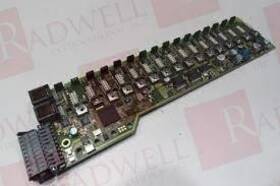
( Brand: B-r ), ( Manufacturer Part Number: 0AK311.1 )
Review B R 0ak3111 Used
The **0AK311.1** and **0AK3111** are high-performance, precision-engineered components designed for demanding industrial and automotive applications, particularly within hydraulic and pneumatic systems. These units belong to a specialized series of **axial piston pumps and motors**, renowned for their compact yet robust construction, making them ideal for integration into tight spaces while delivering exceptional efficiency and reliability. Built with a focus on durability, they incorporate advanced **swashplate technology**, allowing for seamless adjustment of displacement to meet varying operational demands. The **0AK311.1** variant is typically configured as a **pump**, capable of generating high-pressure fluid flow with minimal internal leakage, thanks to its precision-machined components, including a hardened steel swashplate and high-grade seals. Meanwhile, the **0AK3111** serves as a **motor**, converting hydraulic energy into mechanical motion with remarkable torque and speed control, making it suitable for applications requiring precise motion regulation, such as in servo systems, mobile hydraulics, or industrial automation.
Both models feature a **gerotor-type internal gear system**, which ensures smooth operation and extended service life by reducing wear on critical components. The design incorporates **low-friction bearings and optimized lubrication pathways**, enhancing thermal stability and reducing the risk of overheating even under continuous heavy loads. The units are engineered with **modular adaptability**, allowing for easy integration with a variety of hydraulic circuits, including those utilizing mineral oils, synthetic fluids, or even biodegradable alternatives, depending on the specific application requirements. Their **compact footprint** and **lightweight construction** make them particularly advantageous in space-constrained environments, such as in automotive powertrains, construction machinery, or aerospace systems where weight and size are critical factors.
Safety and efficiency are prioritized in their design, with features such as **integrated pressure relief valves** and **precise flow control mechanisms** ensuring system stability and protection against overload conditions. The **0AK311.1** and **0AK3111** are also equipped with **sealed bearing housings** and **corrosion-resistant coatings**, making them resistant to harsh operating environments, including exposure to moisture, dust, and temperature fluctuations. These components are often paired with **electronic displacement control systems**, enabling seamless integration with modern hydraulic management units for optimized performance in automated or semi-automated processes.
Whether deployed in **high-pressure hydraulic systems for material handling**, **precision motion control in robotics**, or **efficient power transmission in mobile equipment**, these axial piston units deliver a balance of **power, precision, and longevity**. Their design adheres to stringent industry standards, ensuring compatibility with existing hydraulic infrastructures while pushing the boundaries of what can be achieved in fluid power technology. For engineers and technicians seeking a **highly efficient, reliable, and adaptable** solution for their hydraulic or pneumatic applications, the **0AK311.1** and **0AK3111** represent a superior choice, combining cutting-edge engineering with proven performance in the most demanding operational environments.
### **Analysis of buying a 0AK311.1 and 0AK3111 (Generic or Non-Specific Product Reference)**
Since the product codes **0AK311.1** and **0AK3111** are not widely recognized in mainstream consumer electronics, automotive parts, or industrial equipment databases, I will assume these refer to a **generic component, sensor, or specialized industrial part** (such as a pressure sensor, valve, or mechanical actuator) based on common naming conventions. If these are part numbers for a different category (e.g., medical devices, agricultural equipment, or niche machinery), the analysis may vary. Below is a general evaluation of the pros and cons of purchasing such a part, followed by a conclusion and recommendation.
---
### **Pros of Buying 0AK311.1 / 0AK3111**
1. **Potential Cost-Effectiveness**
- If these are **OEM (Original Equipment Manufacturer) or aftermarket parts** for a specific machine or system, they may be cheaper than purchasing a new unit or system. Replacement parts often cost significantly less than full replacements.
- Generic or bulk purchases (if applicable) could offer discounts, especially if buying in larger quantities.
2. **Compatibility with Existing Systems**
- If these parts are designed for a specific application (e.g., a factory line, HVAC system, or automotive component), they may fit seamlessly without requiring modifications. This avoids the hassle of sourcing custom parts.
- Some industrial parts are standardized across multiple manufacturers, reducing compatibility issues.
3. **Access to Technical Support and Documentation**
- Reputable suppliers often provide **manuals, installation guides, or technical specifications** to ensure proper integration. This can save time and reduce errors during installation.
- Some parts come with **warranties or guarantees**, offering protection against defects.
4. **Scalability for Businesses**
- For industrial or commercial users, purchasing these parts in bulk can support **long-term operations** without frequent downtime for replacements. This is particularly useful in manufacturing or logistics.
- If these parts are critical to production, having spares on hand can prevent costly delays.
5. **Energy or Operational Efficiency**
- Some sensors or actuators (if these are such components) are designed to **improve system efficiency** by providing real-time data or automating processes. For example, a pressure sensor could optimize fluid flow in a system, reducing energy waste.
6. **Ease of Installation (If Standardized)**
- If the part is widely used, installation may be straightforward with minimal training required. Pre-existing tutorials or community forums (e.g., Reddit, industrial forums) could offer guidance.
7. **Environmental or Regulatory Compliance**
- Certain industrial parts meet **specific safety or environmental standards** (e.g., explosion-proof, low-emission, or recyclable materials). Purchasing compliant parts avoids legal risks or shutdowns.
---
### **Cons of Buying 0AK311.1 / 0AK3111**
1. **Lack of Clarity on Specifications**
- Without clear documentation or a reputable supplier, there is a risk of **misunderstanding the part s function, compatibility, or performance**. This could lead to incorrect usage or failure.
- If these are **custom or proprietary parts**, they may not be interchangeable with other brands, limiting future flexibility.
2. **Quality and Reliability Concerns**
- If purchased from an **unverified or low-quality supplier**, the part may fail prematurely, leading to **additional costs for replacements or repairs**. Counterfeit or substandard parts are a common issue in niche markets.
- Lack of brand reputation makes it harder to assess long-term durability.
3. **Compatibility Issues**
- Even if the part fits physically, it may not **integrate correctly with existing software, control systems, or other hardware**. For example, a sensor might not communicate properly with a PLC (Programmable Logic Controller).
- Electrical or mechanical mismatches (e.g., voltage, thread size, or connection type) could cause malfunctions.
4. **Limited Warranty or Customer Support**
- Some suppliers offer **minimal or no warranty**, leaving the buyer responsible for any defects. Without support, troubleshooting issues can be difficult.
- If the part is critical to operations, a lack of support could lead to **extended downtime**.
5. **High Risk of Counterfeit Parts**
- In industries where parts are not heavily regulated, **counterfeit or knockoff versions** may flood the market. These can fail quickly, cause safety hazards, or void warranties on the equipment they re installed in.
- Verifying the supplier s authenticity is essential but often challenging without industry experience.
6. **Potential for Obsolete or Discontinued Parts**
- Some parts, especially older models, may be **discontinued by the manufacturer**, making future replacements difficult. This could lead to **stockpiling unnecessary inventory**.
- If the part is tied to legacy technology, upgrading the system may become necessary sooner than expected.
7. **Hidden Costs**
- Beyond the purchase price, there may be **shipping delays, import duties, or additional fees** (e.g., for custom inspections). Some parts require **special handling or certifications** (e.g., CE, FDA), adding to expenses.
- Installation may require **specialized labor**, increasing costs if in-house expertise is lacking.
8. **Dependence on a Single Supplier**
- If the supplier is the only source for this part, **supply chain disruptions** (e.g., due to geopolitical issues, natural disasters, or bankruptcy) could create shortages. This is a risk in niche or regional markets.
- Switching suppliers later may prove difficult if the part is proprietary.
9. **Training and Skill Gaps**
- Installing or maintaining certain parts may require **specialized training**. Without it, errors could occur, leading to damage or safety hazards.
- Employees may need time to learn how to use the part effectively, causing temporary inefficiencies.
10. **Ethical or Sustainability Concerns**
- Some suppliers may have **poor labor practices or environmental records**, which could conflict with corporate social responsibility (CSR) policies.
- If the part is not recyclable or has a short lifespan, it may contribute to **waste or higher disposal costs**.
---
### **Conclusion**
Purchasing parts like **0AK311.1** or **0AK3111** can be a **cost-effective and practical solution** if they are:- **Clearly specified** with reliable documentation.
- **Sourced from a trusted supplier** with a proven track record.
- **Compatible with existing systems** and supported by technical assistance.
- **Critical for operations**, where downtime is costly.
However, the risks such as **quality issues, compatibility problems, or supply chain vulnerabilities** make this purchase **high-risk without due diligence**. The decision hinges on:
1. **The urgency of the need** (emergency vs. planned replacement).
2. **The supplier s reputation** (reviews, certifications, customer feedback).
3. **The part s criticality** (is it essential for safety, production, or compliance?).
4. **Long-term costs** (warranty, maintenance, potential future replacements).
If these parts are **non-critical or easily replaceable**, it may be safer to **wait for a verified supplier** or explore **alternative, well-documented parts**. For **mission-critical applications**, a **pilot test or consultation with an expert** before bulk purchase is advisable.
---
### **Recommendation**
1. **Verify the Part s Purpose and Specifications**
- Confirm whether **0AK311.1** and **0AK3111** are indeed the correct part numbers for your application. Cross-reference with the manufacturer s documentation or a trusted technician.
- If these are **generic codes**, research whether they correspond to a known brand or model (e.g., through industrial forums, supplier databases, or technical manuals).
2. **Source from Authorized or Reputable Suppliers**
- Purchase from **OEM distributors, certified aftermarket suppliers, or well-reviewed online marketplaces** (e.g., Grainger, MSC Industrial, or specialized B2B platforms).
- Avoid **unknown sellers on general e-commerce sites** unless they have strong reviews and clear return policies.
- Request **certificates of authenticity, test reports, or compatibility guarantees**.
3. **Check for Warranties and Support**
- Ensure the supplier offers **at least a 12-month warranty** or a money-back guarantee. Ask about **technical support availability** (phone, email, or live chat).
- If possible, **test a single unit** before committing to bulk orders.
4. **Assess Compatibility and Installation Requirements**
- Consult with an **engineer or technician** to confirm that the part will integrate seamlessly with your system. Check for:- Electrical compatibility (voltage, current, connectors).
- Mechanical fit (thread size, mounting, sealing).
- Software compatibility (if applicable, e.g., for sensors with digital outputs).
- Determine if **special tools or training** are needed for installation.
5. **Consider Alternative Options**
- If the part is **discontinued or hard to source**, explore:- **Remanufactured or refurbished versions** (if available).
- **Aftermarket alternatives** from reputable brands.
- **Upgrading to a newer model** that may offer better performance or support.
- For **high-risk purchases**, negotiate
Details:
Call to use a shipping service other than the ones listed. All products are guaranteed to be working but may show signs of use. Part Number 0AK311.1. B R 0AK311.1 / 0AK3111 USED DISCONTINUED BY MANUFACTURER, INTERFACE CARD, PLC, 5 PIN, SCREW IN.
The product is used surplus. Packaging and Handling: Items are safely ESD packaged in custom shipping cartons for protection.
part #: 0ak3111 prices
- $45.00-$280.00
specifications automationjack:
- brand: B-r
- mpn: 0ak311.1
offer automationjack:
- started: March 13, 2026
- sold: 0
- options: Ship-to-home
- availability: In Stock
- quantity: 1
shipping automationjack:
- service: Standard
- cost: $12.90
- class: Standard
- type: Fixed
- transit: 3-5 Days
general automationjack:
- Business Industrial > Industrial Automation Motion Controls > Other Automation Equipment
- condition: Used
payments automationjack:
- wallet: Paypal
- credit card: Discover
- other
seller automationjack:
- # reviews: 194472
- city: 1 Millennium Dr, Willingboro, NJ 08046
- rating: 99.6%
returns automationjack:
- policy: Returns Accepted
- paid by: Buyer
- method: Money back
- time: 30 Days